
Why We Need to Stop Complimenting Weight Loss.
In our culture, weight loss is almost always treated as a cause for celebration. If someone looks visibly smaller, the automatic social reaction is applause. We shower them with compliments, "You look amazing! What's your secret?" or "You've lost weight! You look so well!"
We have been conditioned by decades of diet culture to believe that, Smaller = Healthier = Better.
It feels harmless, maybe even supportive and kind. But beneath the surface, this automatic praise relies on this “Smaller = Healthier = Better”. But weight loss is not inherently healthy, or that it’s always the result of a positive lifestyle change.
By treating weight loss as a victory, we often unintentionally celebrate physical illness, severe emotional trauma, or disordered eating. This post is to have a look at why commenting on changes in other people's bodies is a habit we really need to stop.

From a biological perspective, losing weight simply means your body is in a state of catabolism, it’s breaking down stored biological tissue to make up for an energy deficit.
That deficit can certainly happen through supportive, deliberate changes like building strength, moving more, and nourishing your body well. But from a physiological standpoint, your body doesn’t care why the deficit exists. Catabolism can just as easily be triggered by severe stress, physical pathology, or emotional suffering.
When weight loss is driven by distress rather than health, the underlying biology is often destructive rather than restorative,
Severe emotional trauma such as grief, divorce, job loss, or financial panic can trigger a massive, sustained surge in stress hormones like adrenaline and cortisol. Prolonged elevation of these hormones suppresses appetite, disrupts the gut microbiome, and alters digestive transit times. In this state, the body breaks down tissue not because it is thriving, but because it is surviving a crisis.
Rapid or unintentional weight loss is one of the most prominent clinical "red flag" symptoms in medicine. It is a primary indicator for thyroid dysfunction (such as hyperthyroidism), gastrointestinal disorders (like Crohn's disease, ulcerative colitis, or coeliac disease), autoimmune flare-ups, chronic infections, and various forms of cancer.
Major depressive disorder, severe anxiety, and PTSD frequently manifest physically. Loss of appetite, executive dysfunction around food preparation, and nausea are common symptoms that quietly drain a person's energy reserves.
When weight loss is achieved through extreme caloric deficits, skipping meals, or compulsive over-exercising, the body is forced into a state of chronic energy deficiency. This compromises cardiovascular function, disrupts reproductive hormones, and impairs cognitive processing.
When someone loses weight due to grief, illness, or severe restriction, their body is in a state of physiological strain, not vitality. Congratulating them on their smaller size sends a devastating implicit message, your appearance is more valuable than your physical and mental well-being.
Even when weight loss is intentional, scale weight alone tells us virtually nothing about a person's underlying health or body composition.

If someone creates a severe caloric deficit through extreme dieting or hours of high-intensity exercise without sufficient protein or resistance training, a substantial percentage of the weight lost does not come from body fat it comes from lean muscle tissue and bone mineral density.
This carries significant consequences. Muscle tissue is metabolically active, requiring energy simply to maintain itself. Losing lean muscle mass lowers your baseline energy expenditure, meaning your body requires fewer calories to function day-to-day.
The loss of functional capability and joint stability. Muscle tissues acts as the protective shock-absorber for your joints and skeleton. Depleting muscle reserves weakens structural integrity, increases joint pain, and reduces overall functional capacity in daily life.
Impaired immune and hormonal function. Muscle tissue serves as a crucial reservoir for amino acids during times of physical stress. Losing lean mass impairs immune cell production, slows down recovery, and can disrupt thyroid and reproductive hormone regulation.
On a bathroom scale, muscle loss looks like weight loss "progress." Inside the body, it represents a loss of biological resilience. True health is defined by cardiovascular fitness, muscle strength, bone density, insulin sensitivity, and psychological stability none of which can be measured by watching a number go down on a scale.
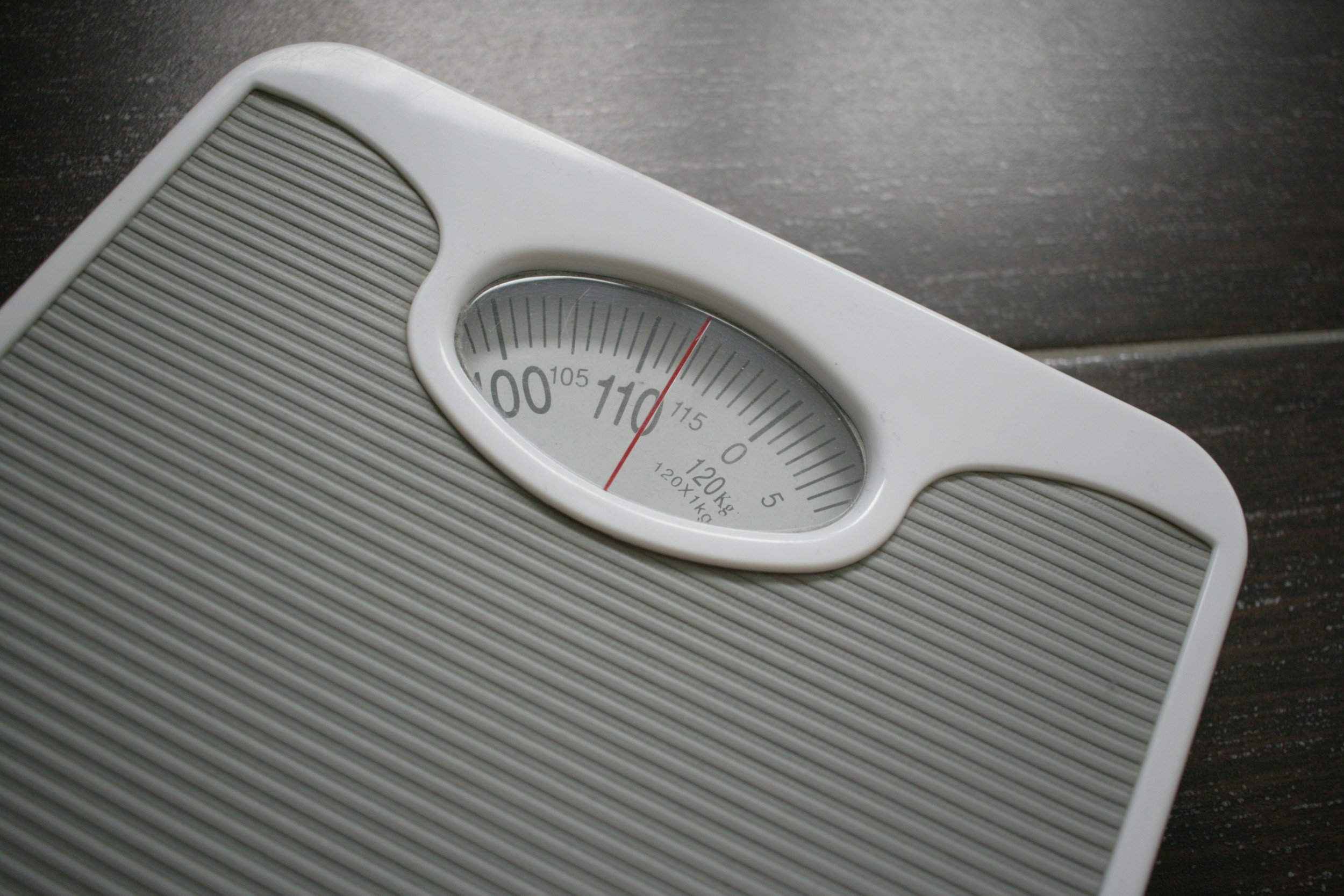
Beyond the physiological risks, commenting on someone’s weight loss carries profound psychological consequences, even if your intention is purely kind.
When you compliment someone for getting smaller, you inadvertently reinforce the idea that their social value is conditional on their body size. The internalised message they hear is "People prefer me when there is less of me."
This creates deep anxiety around inevitable weight fluctuations. If that person experiences a busy work season, an injury, a pregnancy, or simply returns to a normal, sustainable eating pattern, gaining weight back is suddenly accompanied by acute shame and a sense of personal failure.
Reinforcing Disordered Behaviours
Diet culture operates like an illusion. An individual struggling with anorexia, orthorexia, or severe restriction will often receive an overwhelming amount of positive social reinforcement in the early stages of their illness. Compliments like "You look so disciplined!" or "You look incredible, what’s your secret?" validate dangerous, disordered habits, making it significantly harder for the person to seek help or recover.
Creating Cognitive Dissonance in Crisis
Ask almost anyone who has endured a major physical illness, a painful divorce, or intense grief, and they will likely share the surreal, unsettling experience of being told, "You look amazing!" at the exact moment their life was falling apart. It creates a painful disconnect, their internal reality is one of suffering, yet society is celebrating their external frame.

Moving away from body comments does not mean becoming distant or uncomplimentary. It simply means choosing to affirm people for things that actually matter, their presence, their energy, their character, and their connection with you.
If someone seems vibrant, settled, or simply happy, direct your warmth toward their state of being rather than their size.
"It is so good to see you! How have you been feeling in yourself lately?"
"You have such warm, bright energy today."
"I always love catching up with you, you have such a great perspective on things."
"I love that colour on you, it really suits you."
If you notice a friend, family member, or colleague has lost a noticeable amount of weight and seems quiet, fatigued, or drawn, resist the urge to comment on their body. Instead, offer quiet, compassionate support.
"I’ve been thinking of you lately. How are you holding up with everything going on?"
"No need to talk about anything heavy if you don't want to, but I'm here if you ever need a chat or a coffee."
Your body size is not a moral report card, and weight loss is not an automatic health victory. It is entirely possible to lose weight and become weaker, less resilient, and deeply unwell. Equally, it is entirely possible to gain weight and become stronger, more energetic, and far healthier.
Let’s start to build a culture that stops using body size as a proxy for health or worth. Focus on how your own frame feels, how much energy you have to live your life, and what your body can do. When it comes to the people in our lives, the kindest approach is often the simplest one, just leave comments about their weight out of the conversation.
Disclaimer: This blog post is designed for educational and informational purposes only. It is not intended to diagnose, treat, or replace professional medical or nutritional care. If you or someone you know is experiencing unexplained weight loss, physical illness, or struggling with disordered eating habits, please seek guidance from a GP, registered dietitian, or qualified health practitioner.