
The Social Contract of the Gym Floor. A Quick Guide to Gym Etiquette.
Whether you are stepping onto the gym floor for the very first time or you have been lifting heavy for a decade or more, shared training spaces rely on an unwritten social contract.
When people talk about "gym etiquette," it is often framed as a manual for beginners worried about making a faux pas. But, seasoned lifters are often just as guilty of breaking these rules whether through entitlement, habit, or just forgetting.
Good gym etiquette isn't about arbitrary gatekeeping or staying quiet. It is about safety, efficiency, spatial awareness, and mutual respect. When everyone understands how to navigate the gym floor thoughtfully, the space becomes safer, workouts run smoother, and everyone can train with confidence.
Equipment Management
Re-racking your weights is the most fundamental rule in any facility, but doing it properly requires attention to detail.
Organise the Weight Trees. Avoid burying a 5 kg plate behind two 20 kg discs. When you misrack plates, the next person has to strip heavy weights just to access lighter ones. Match plates by size and weight on designated pegs.
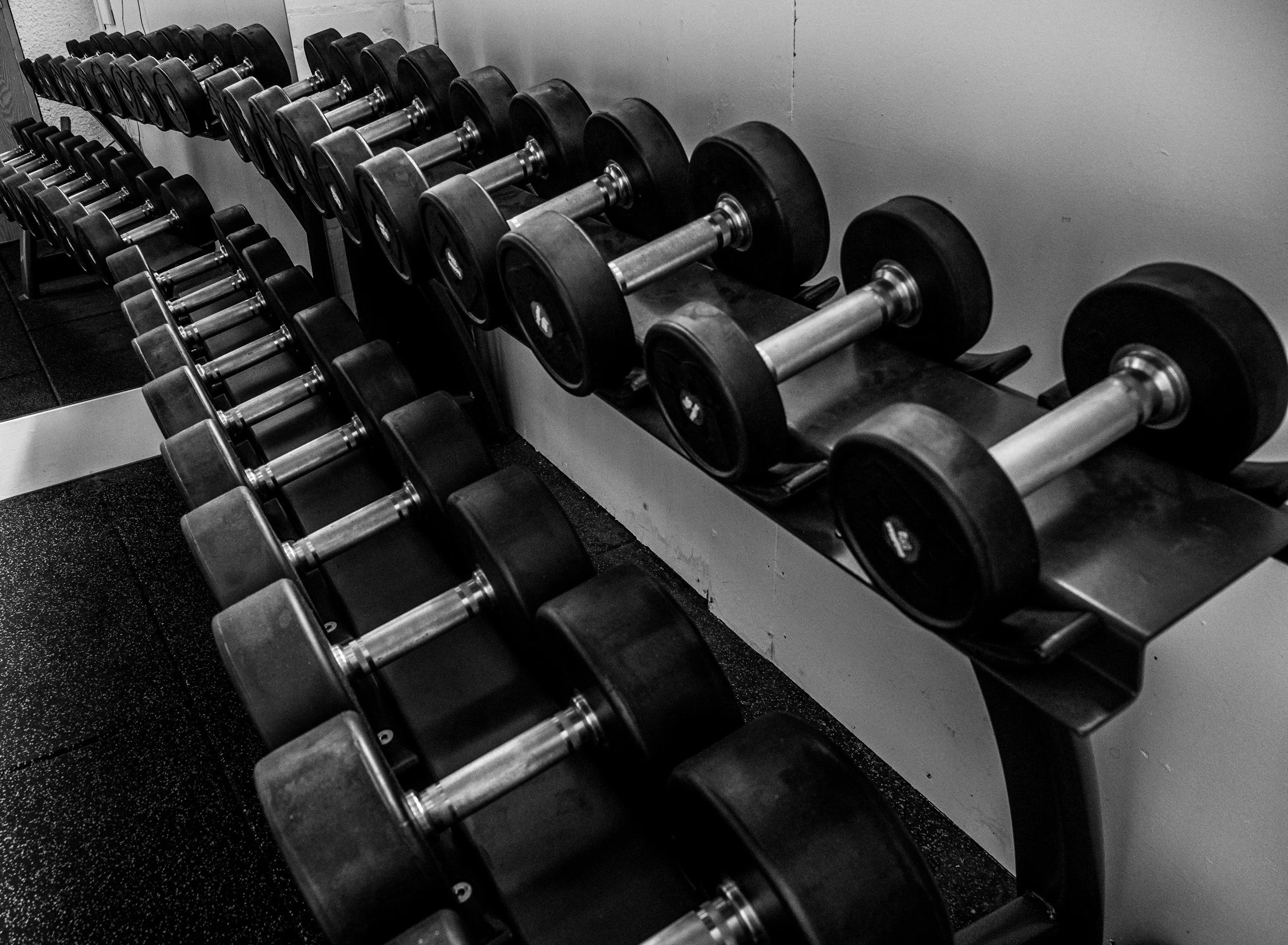
Return Dumbbells to Their Slot. Racks are ordered by weight. Slotting a pair of 14 kg dumbbells into the spot reserved for the 30 kg set creates clutter and forces other lifters to search the room for matching pairs.
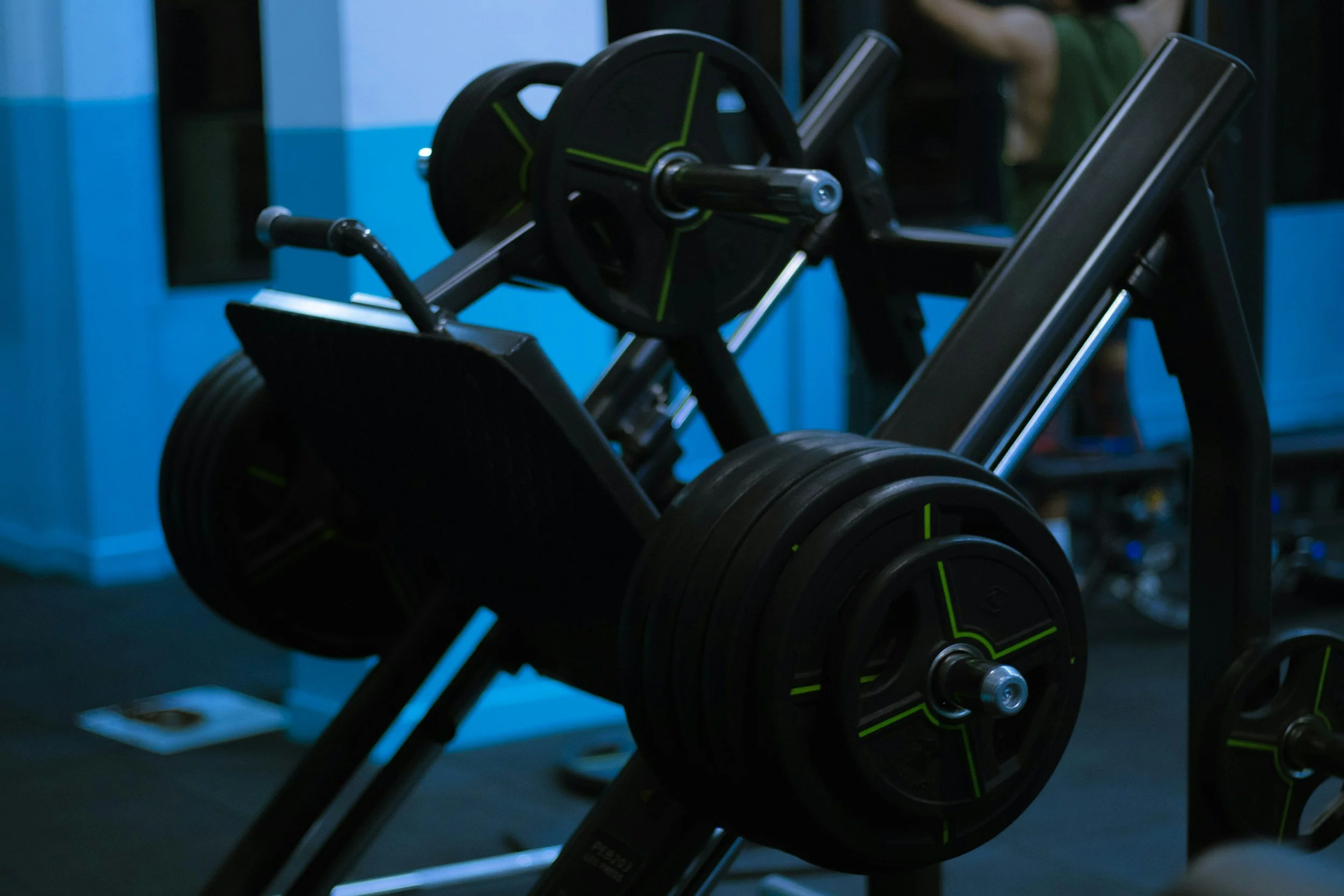
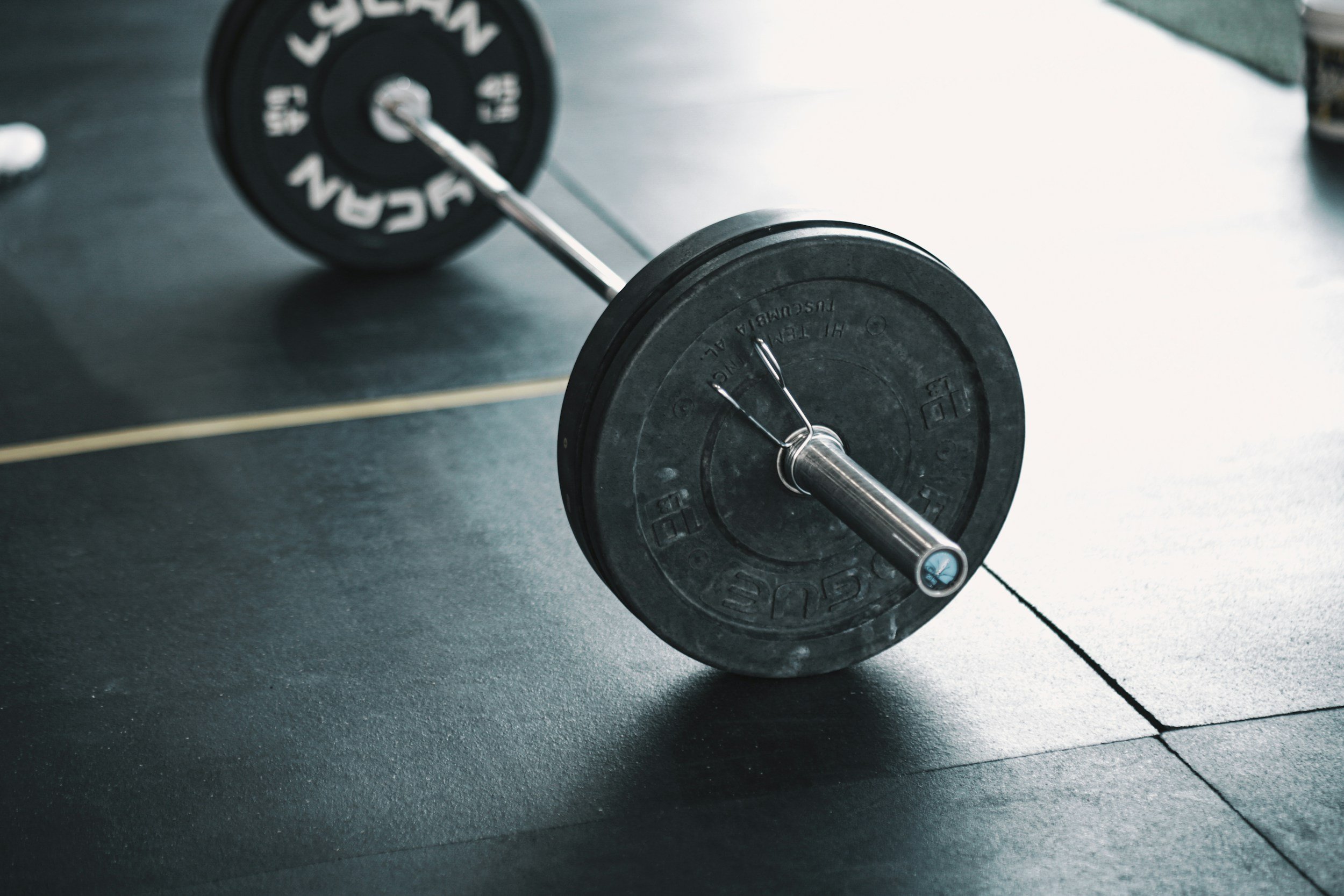
Strip Bars and Machines Completely. Never leave weight plates on a barbell or plate-loaded machine when finished. Assuming "someone else will want this weight" forces the next person, who might be rehabilitating an injury or starting light, to waste energy clearing your setup.
Unclip Attachments. When you finish on a cable station, unclip your handles or ropes and return them to the storage rack rather than leaving them scattered across the floor.
Hygiene, Fresh Kit, and Biological Realities
Gyms are high-touch, warm environments where basic hygiene and self-awareness help to keep the space comfortable for everyone.
Start with Fresh Gym Kit. Synthetic, sweat-wicking technical fabrics are fantastic for performance, but they are equally efficient at harbouring odour-causing bacteria. Re-wearing a top that "doesn't smell too bad" from yesterday might seem harmless, but as soon as your body heat rises, those bacteria reactivate instantly. Always wear a clean kit for each session.
Wipe Down Your Stations. Use the available spray and paper towels to clean down sweat-contact points (benches, machine handles, bike seats) when you finish a set.
Navigating "Protein Digestion". A high-protein diet, whether from whey, eggs, meat, or legumes is essential for muscle repair, but it frequently brings a well-known biological byproduct… Increased flatulence as your gut microbiome processes those nitrogen-rich compounds. Experiencing gas during workouts is completely normal, especially when intra-abdominal pressure rises during heavy lifts. But, out of respect for people breathing heavily around you, please step toward the bathrooms or at the very least a well-ventilated corridor if your digestion acts up. Try to avoid "crop-dusting" a cramped dumbbell area or small studio space.
The Ethics of Shared Equipment and Supersets
During peak hours, equipment availability becomes the main bottleneck in any facility.
Read the Room on Supersets. Moving directly between two exercises is a great time-saver, but claiming a squat rack, a cable station, and two sets of dumbbells simultaneously at 6:00 PM is poor etiquette. Keep supersets contained to a single station during busy times.
The Art of "Working In". If someone asks to "work in" with you, they are simply asking to alternate sets while you rest. Unless you are using complex setups where changing weights is unsafe or impractical, accommodating them is standard practice. Swap weights together and keep track of rest times so neither person feels rushed.
Mindful Rest Periods. Resting 2 to 3 minutes between heavy compound lifts is necessary for neuromuscular recovery. However, there is a clear difference between active recovery and sitting on a key piece of kit for five minutes while scrolling social media. If you need prolonged breaks, step back so others know you are temporarily resting.
Spatial Awareness and Safety
Moving heavy loads safely requires keeping a clear eye on your surroundings.
Respect the "Lifting Zone". Never walk directly in front of, beside, or behind someone who is mid-set with a heavy lift. Stepping into someone’s line of sight during a heavy squat or deadlift is dangerously distracting. Give lifters a safety clearance of at least one to two metres.
The Mirror Line. Mirrors allow lifters to monitor movement mechanics, bar path, and balance in real time. Avoid walking directly between a lifter and the mirror when they are mid-set.
Dumbbell Distance. When picking up dumbbells from the main rack, move away from the rack before starting your set. Standing directly against the rack blocks everyone else from accessing nearby weights.
Cameras, Audio, and Unsolicited Advice
Creating a supportive, focused environment relies on understanding personal boundaries.
Keep Filming Compact. If you film your lifts to check movement technique, position your tripod close to your space, keep walkways clear, and angle the lens toward a neutral wall where possible. Remember that workouts take priority over content, if someone walks through your shot in a public gym, it is not a violation.
Use Headphones. Playing music or taking phone calls over open speakers is disruptive to the entire room. Keep your audio private.
Skip Unsolicited Advice. Unless someone is in immediate physical danger of injuring themselves, never offer unsolicited technique corrections to strangers. It can make people feel self-conscious and watched. Everyone operates on different anatomical leverage, mobility constraints, and training plans.
A Shared Space for Capability
Gym etiquette isn't about rigid rules or looking like a seasoned pro, it’s about keeping a shared space functional, safe, and welcoming for everyone.
Whether you are loading a barbell for a personal best or trying out a new machine for the first time, you have an equal right to be on the gym floor, taking up space and building your capability. Fitness is a lifelong pursuit, and the gym works best when it feels like a collaborative space rather than a high-stress arena. By putting your weights away, wearing clean kit, respecting personal space, and keeping communication thoughtful, you help set the standard for a solid training culture. Focus on what your body can achieve, look out for the people around you, and train with confidence.
Disclaimer. I love sharing the science behind how our bodies work, but please remember that this post is for educational purposes only. My goal is to empower you with general nutritional and fitness guidance to support your long-term health. This isn't a substitute for professional medical advice, diagnosis, or treatment. Every "body" is unique, so please check in with your doctor before starting a new nutritional or training programme to ensure it’s the right fit for your individual needs.