

There Is More to Life Than Fitness (But There Is More Life With Fitness)
If you look at social media on any morning, it’s understandable why starting a new fitness routine can feel intimidating. We are being bombarded with videos of 5:00 AM alarms, rigid meal-prep containers, and intense two-hour daily gym sessions. It creates a myth that if you want to be healthy, you have to turn fitness into your entire personality.
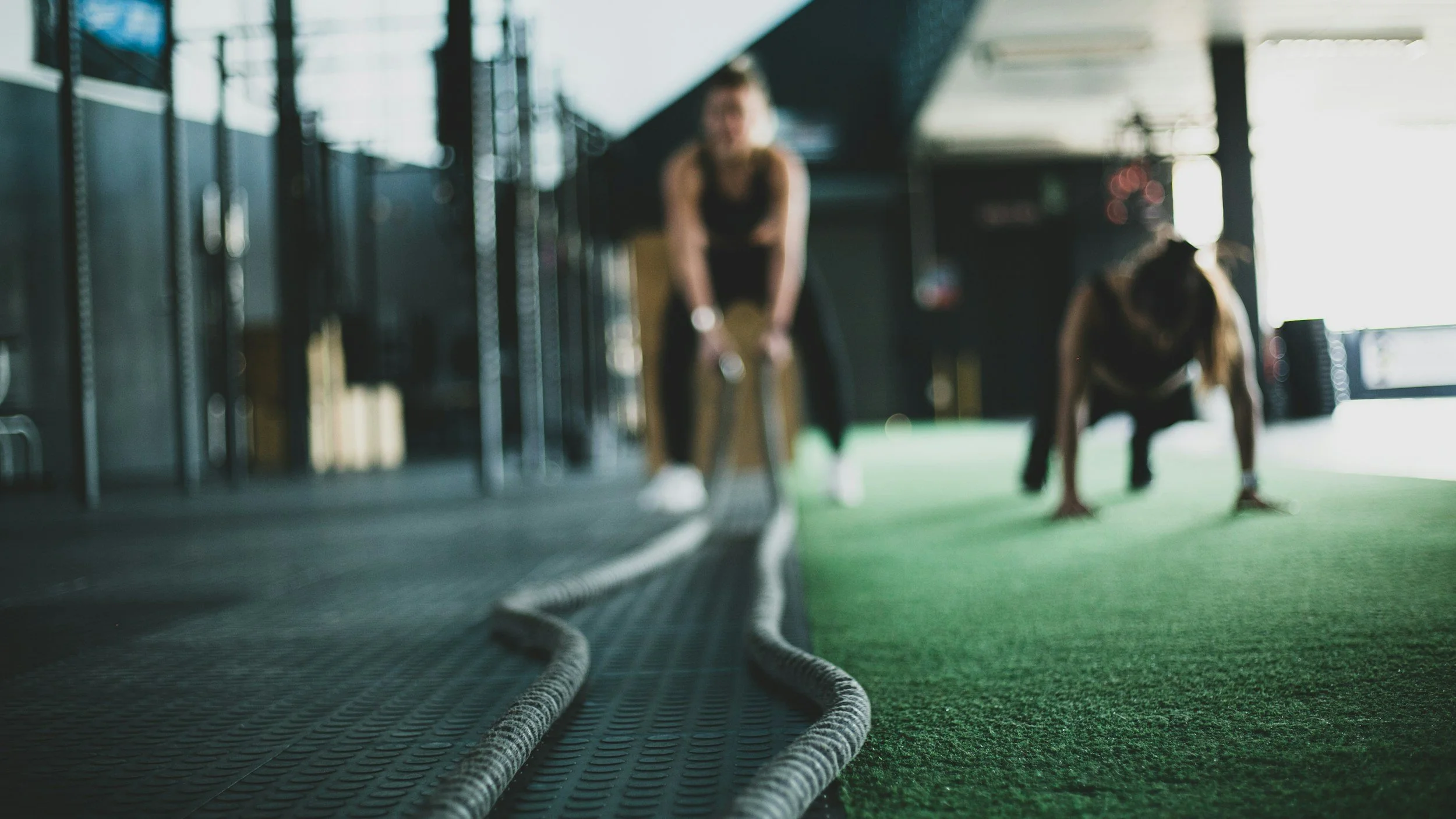
The Specific Area Fat Loss Lie (And What to Do Instead)
We’ve all come across them while scrolling through social media, video titles promising "10 Minutes to Melt Back Fat," "The Ultimate Bra-Bulge Burner," or "5 Moves to Target Inner-Thigh Fat."
It sounds intuitive, if you want to eliminate fat from a specific region of your body, you simply need to exercise that exact spot until the muscle burns. It feels logical on the surface. If your upper back or inner thighs are burning, surely the fat sitting right on top of them must be melting away too?
Unfortunately, human biology doesn't work like that. You can follow 10-minute "back fat workouts" every day, and while you might strengthen the tiny muscles underneath, it will have zero direct impact on the layer of fat sitting over them.

The Plateau Paradox, Why Eating Less Isn't the Answer.
You’ve been doing everything consistently. You’ve been showing up for your workouts, making mindful food choices, and enjoying the process. For the first few weeks or months, the results were clear to see your energy was high, your clothes felt looser, and your momentum was strong.
And then, as happens to everyone eventually, things slowed down. The scales haven't budged in a few weeks, your body composition changes have paused, and your workouts are starting to feel like dragging yourself through wet cement. Your immediate reaction might be to assume something has gone wrong, and your instinct might tell you to push harder, cut another 300 calories from your daily food, add an extra 20 minutes of cardio, or skip your rest day.
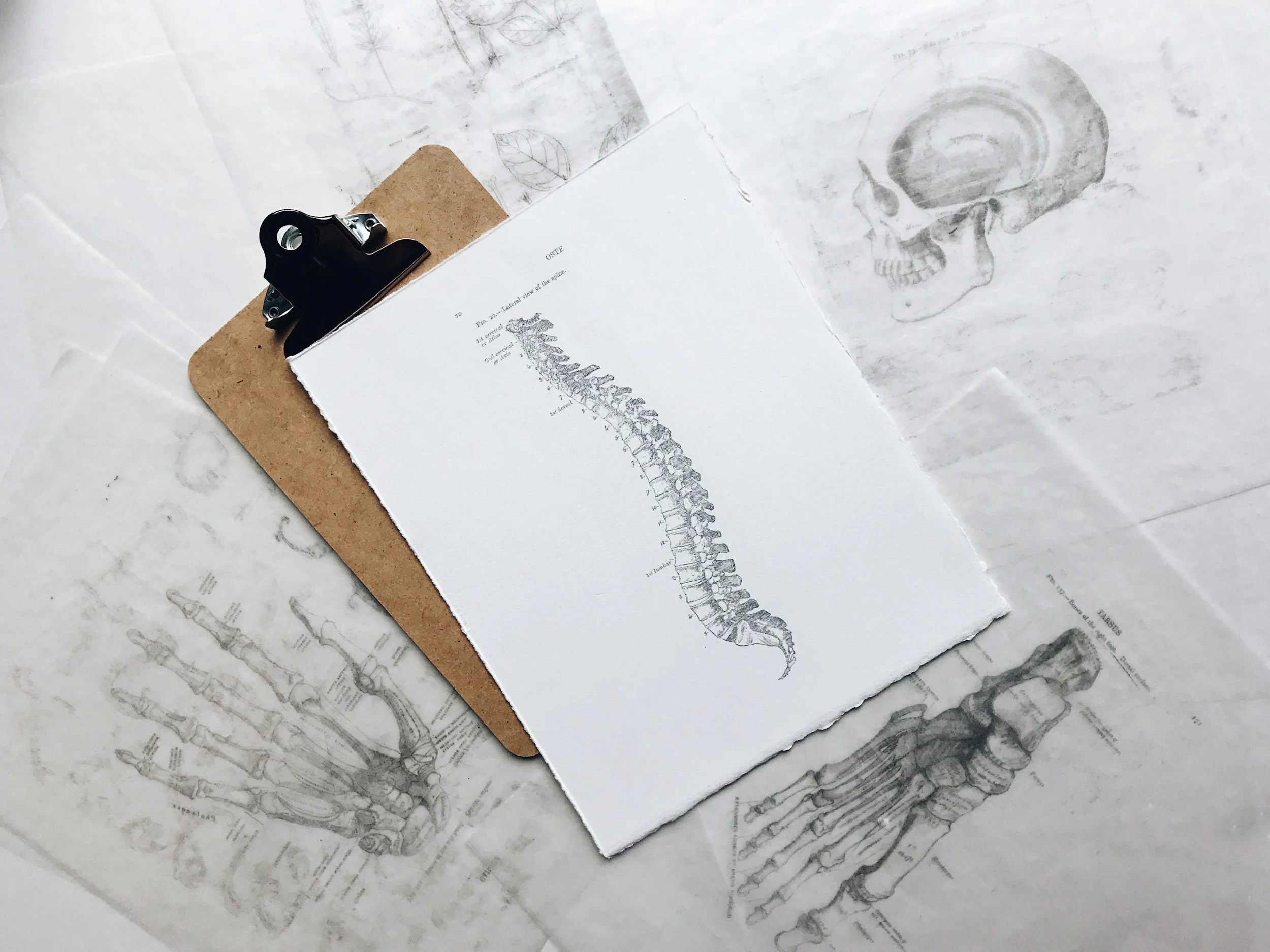
The Textbook Form Myth
We’ve all seen it happen in the gym or while scrolling through social media. Someone steps up to a barbell and executes a deep squat with a completely upright torso, their thighs effortlessly touching their calves. It looks clean, effortless, and perfect.
Then, you step up to the bar, set your feet in the exact same spot, and try to lower down, only to feel a sharp pinch in your hips, a pull in your lower back, or a sudden, awkward loss of balance.

Why Your Weight Fluctuates Daily (and Why It’s Not Fat)
You’ve had a fantastic week of eating whole foods, staying hydrated, and showing up for your training sessions. You feel lighter, your daytime energy is up, and you step onto the bathroom scales in the morning fully expecting to see that consistency reflected in the numbers. Instead, the scale tells you that you are suddenly up a full kilogram.

Why We Need to Stop Using Pain to Measure a Good Workout
We’ve all had that moment the morning after a great workout trying to walk down the stairs and realising your legs have entirely different plans. There is a strange comfort in that familiar ache. It’s easy to feel like those sore muscles are proof of a job well done, a definitive proof that you really pushed yourself. On the flip side, if you wake up the next day feeling completely normal, it’s just as easy for a little doubt to creep in. You might wonder if you didn’t try hard enough or if you wasted a training session.

Who Needs Electrolytes?
Walk into any gym and you will see people drinking brightly coloured sports drinks or mixing expensive electrolyte powders into their water bottles. Companies have done a brilliant job of convincing us that a daily sachet of minerals is essential to optimise our energy, banish brain fog, and survive standard daily activity. It’s a marketing success, but for the vast majority of active adults, these supplements are unnecessary. Your kidneys are already regulating your internal mineral balance based on what you eat and drink. However, there are very specific training scenarios and lifestyle conditions where electrolytes transition from an expensive trend to a genuine physical necessity and consuming them when you do not need them carries real health consequences.
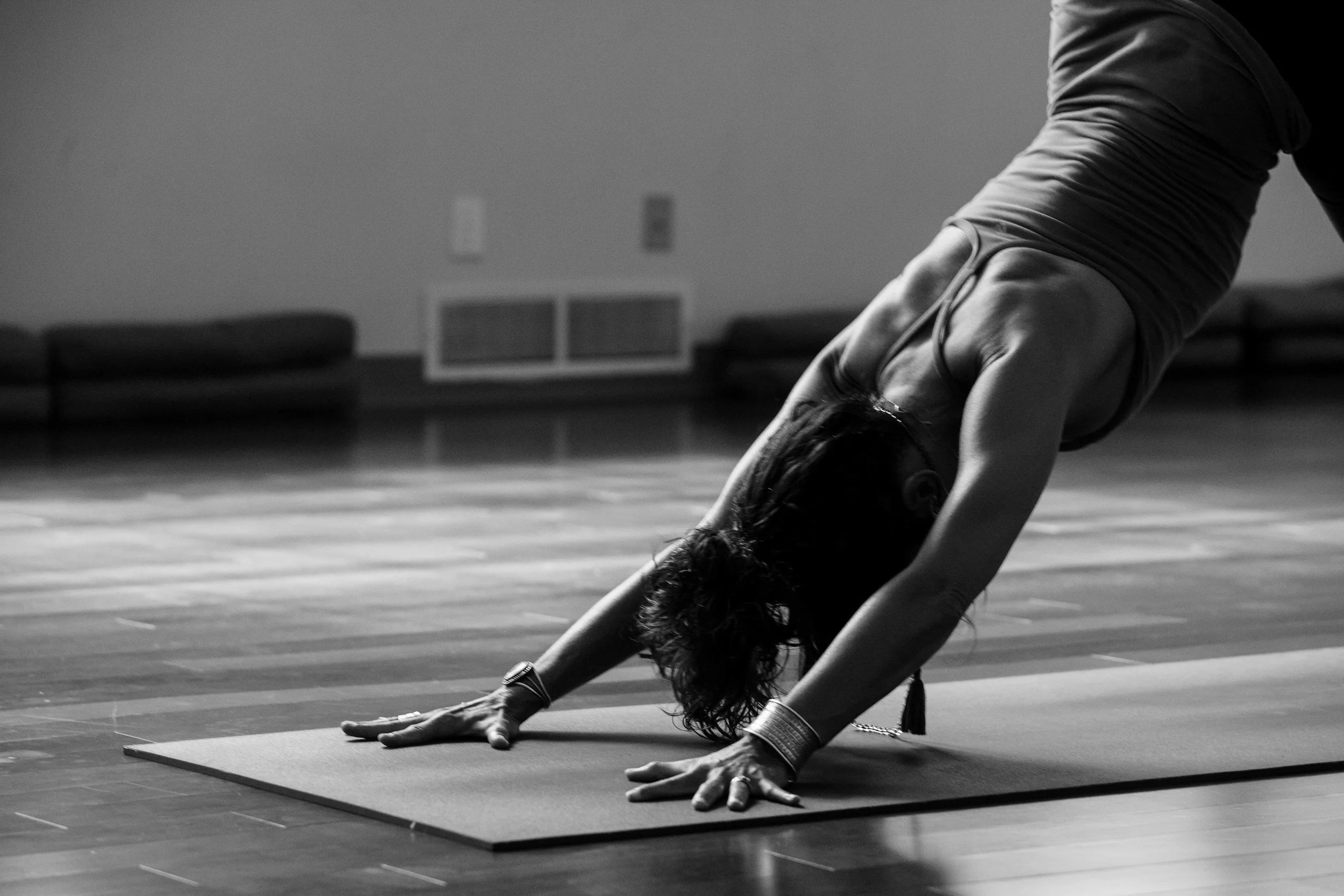
Beyond Stretching. The Power of Active Flexibility.
There is a profound difference between passive flexibility (how far a joint can be pushed by an external force or gravity) and active flexibility (the range of motion you can actually access, control, and support using your own muscular strength). If you want a body that moves fluidly and feels entirely unrestricted during daily life and heavy lifting, passive stretching is just a temporary fix. To improve your active flexibility, you need to train both your nervous system and your muscles to actively command that range.
Finding Your Headspace
There is nothing quite like the immediate shift in how you feel after a solid exercise session. When you are managing a busy life alongside the endless daily pressures of work and family, the most powerful benefit of regular movement is the instant lift in your mood, energy, and clarity. Weightlifting also becomes about transforming your mental state from stressed and overwhelmed to calm and collected in less than an hour. The most direct and reliable way to change your mood is to physically change how you interact with the world through movement.
The Compound Advantage
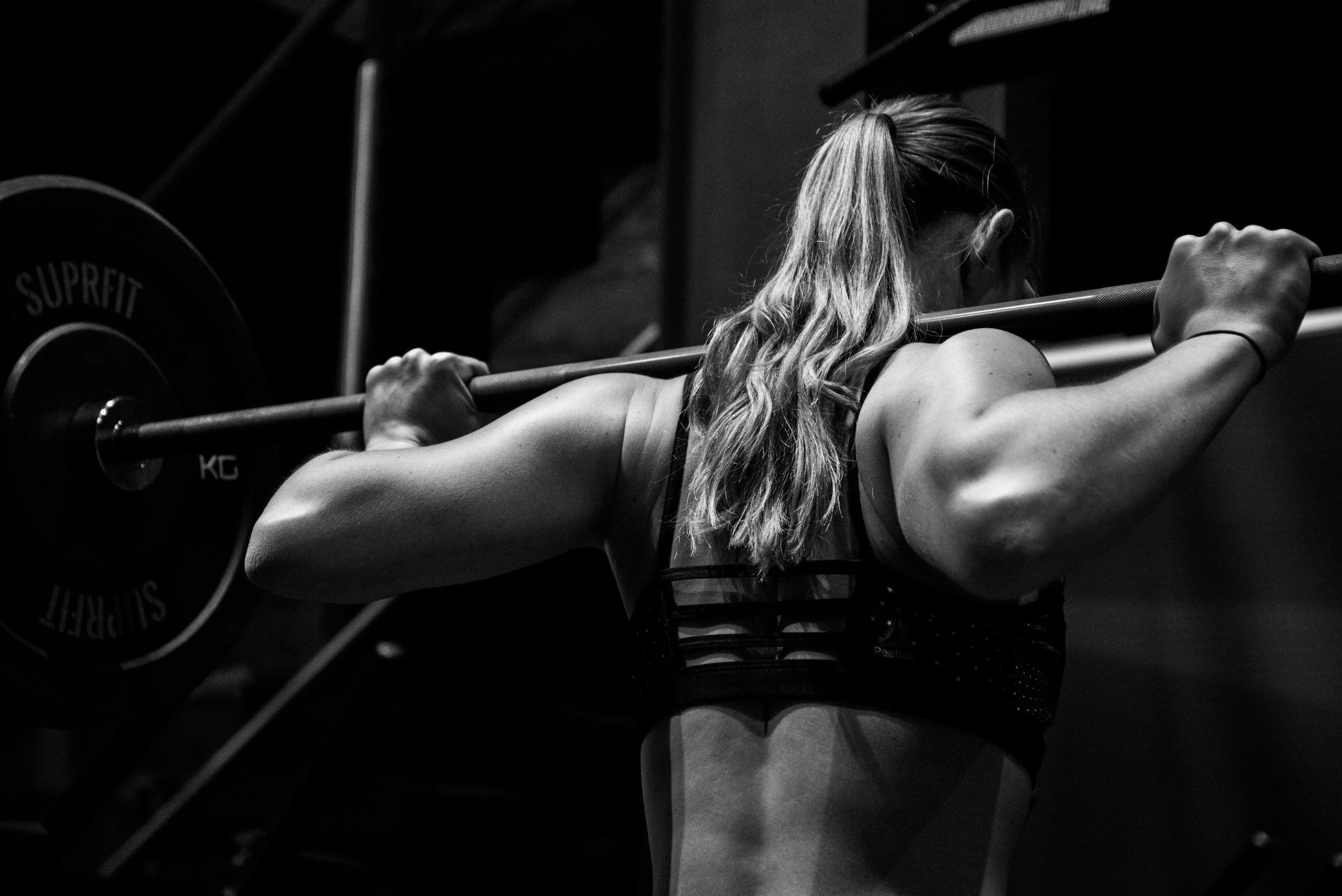
If you have limited time to spend in the gym, you cannot afford to waste it on movements that only train one muscle at a time. For women over 40, the goal is not just "exercise"—it is building a body that is resilient, capable, and physically prepared for the decades ahead.
To achieve that, we have to move away from isolation exercises and start prioritising compound movements.