
Why Health Is So Much More Than Willpower and Hustle.
We live in a culture that loves to tell us we are in total control of our lives. Open social media or turn on a wellness podcast, and it won't be long before you run into a very familiar message “your health is 100% in your own hands”. If you aren't feeling vibrant and energetic, it must be because you aren't getting up early enough, buying the right organic veggies, pushing yourself hard enough in the gym, or "prioritising your wellness". Health gets turned into this little moral equation, put in enough discipline and effort, and glowing health is guaranteed.
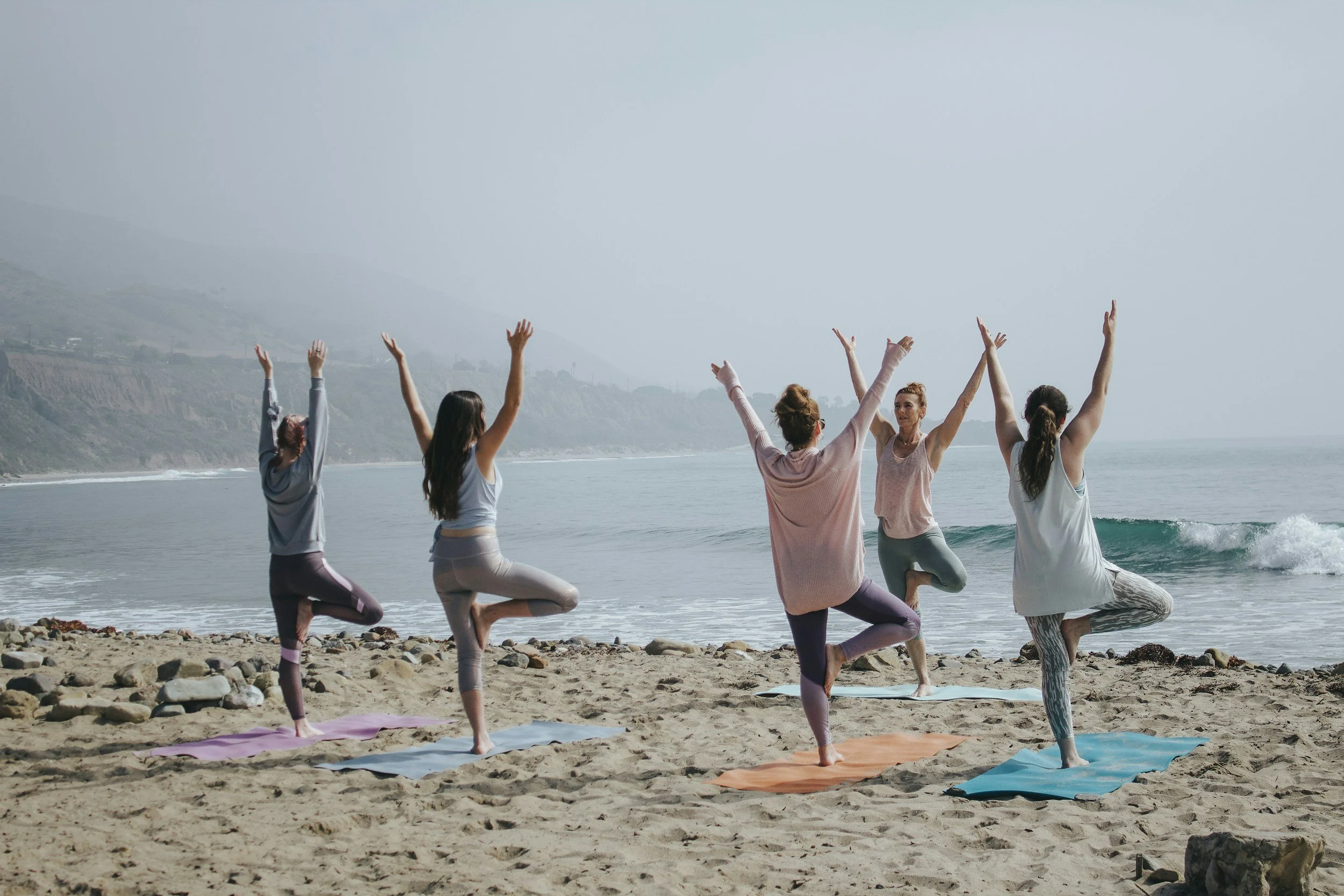
This might sell motivational posters, fitness apps, and pricey supplements, but it ignores the realities of daily life, biology, and the world we actually live in. But the truth is that your health is not entirely within your control. To pretend otherwise isn't just wrong, it creates a lot of guilt, ignores human hardship, and makes people feel like fitness spaces aren't meant for them. So, let’s have a look at what actually shapes our health in the real world.
When public health experts look at what keeps people well, personal habits like exercise and food are only part of the puzzle. A huge chunk of our health profile are shaped by the environment around us.
Expecting everyone to have the exact same physical health ignores the massive differences in our daily lives.
Money and Resources. Fresh food, decent trainers, gym memberships, private therapy, and free time all cost money. When budgets are tight, making choices between heating, rent, fuel, and groceries will naturally take priority over "wellness".
Time and Daily Responsibilities. A single parent working shift patterns or someone caring for a relative doesn't have the same free hours in a day as someone with a flexible desk job. When just getting through the day takes all your energy, finding an hour for self-care isn't a lack of willpower, it's a lack of time.
Where You Live. Living somewhere with green parks, clean air, safe pavements for walking, and decent local shops makes staying active and well much easier. On the flip side, living near busy main roads, cold or damp housing, or areas with limited green space takes a genuine toll on your body over time.
Work Environments and Chronic Stress. Physical labour, long hours on your feet, night shifts, or sitting at a desk for nine hours straight all affect our sleep, stress levels, and energy, no matter how well you try to look after yourself.
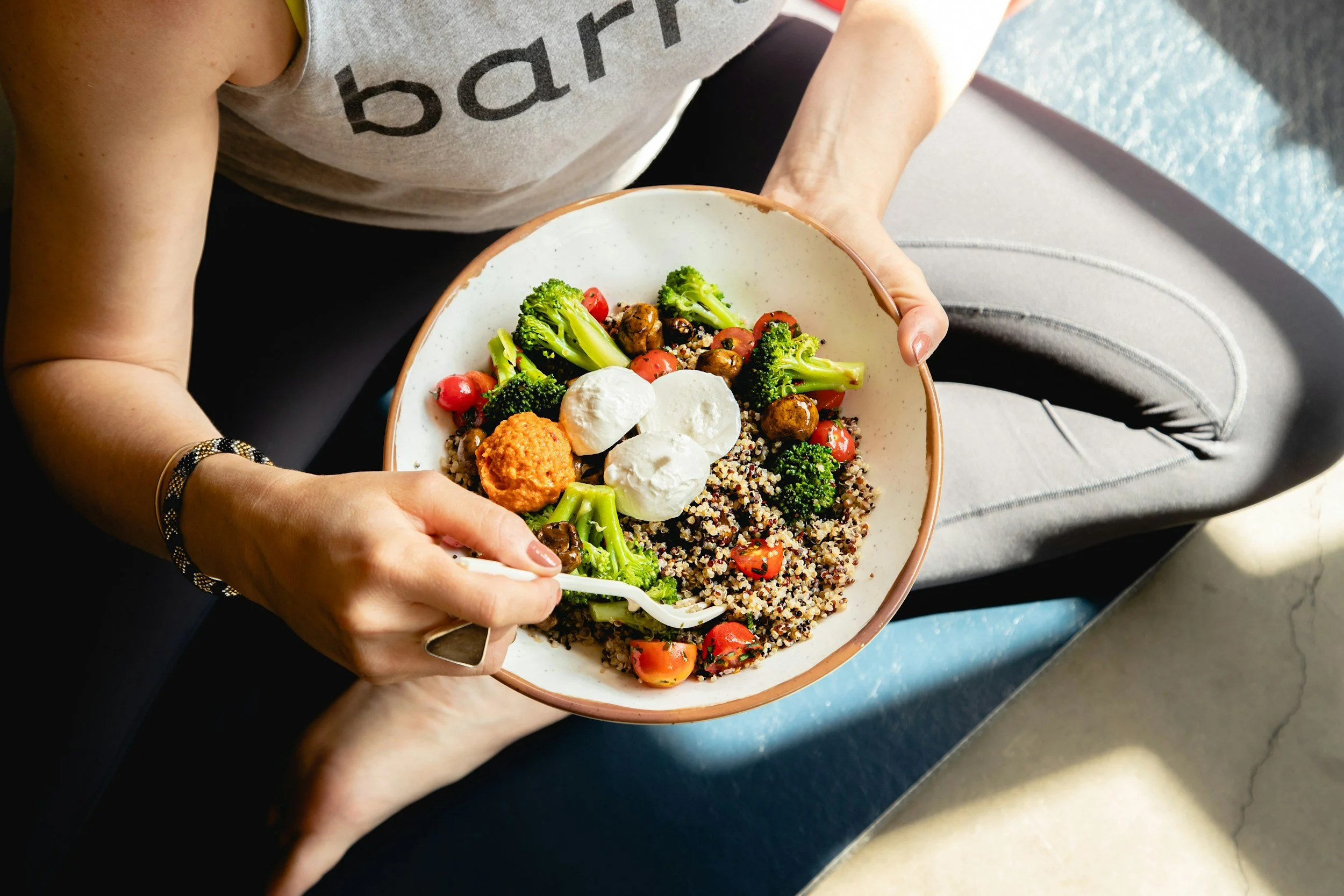
Even if we could give everyone the exact same income, free time, and living situation, human biology still isn't a level playing field. We all start from different places.
Your genetics play a massive role in your baseline energy, joint structure, risk of autoimmune conditions, and how your body responds to exercise. Two people can follow the exact same routine and end up with completely different outcomes, simply because their bodies are built differently.
Millions of us manage physical disabilities and ongoing health conditions like endometriosis, chronic fatigue, or arthritis. In these cases, just getting through the day can be a balancing act of managing energy, symptoms, and adapting as things change.
How quickly you can see a doctor, get a prescription, or access mental health support hugely affects your long-term well-being. Navigating long waiting lists or struggling to get the right diagnosis builds hurdles that no amount of green smoothies or morning jogs can fix.
When fitness culture insists that "if it's important enough, you'll find a way", it turns real-life challenges into personal failings. If you can't manage a rigid exercise routine because you're working extra hours, managing chronic pain, or just going through a tough patch, the "no excuses" crowd makes you feel like you simply "don't care enough". And this message does so much harm. It makes people feel guilty and disconnected, leading many to give up on movement altogether because they feel they can't live up to an impossible ideal.
Health isn't a choice between being "disciplined" or "lazy". It’s a flexible, changing thing that moves and changes depending on what life happens to be throwing at you right now.
Learning that your health isn't 100% in your hands isn't a reason to give up or feel helpless. In fact, it's remarkably freeing. When you stop blaming yourself for things you can't change, your work hours, your budget, or your medical history, maybe you can finally focus on the small, positive things you can do.
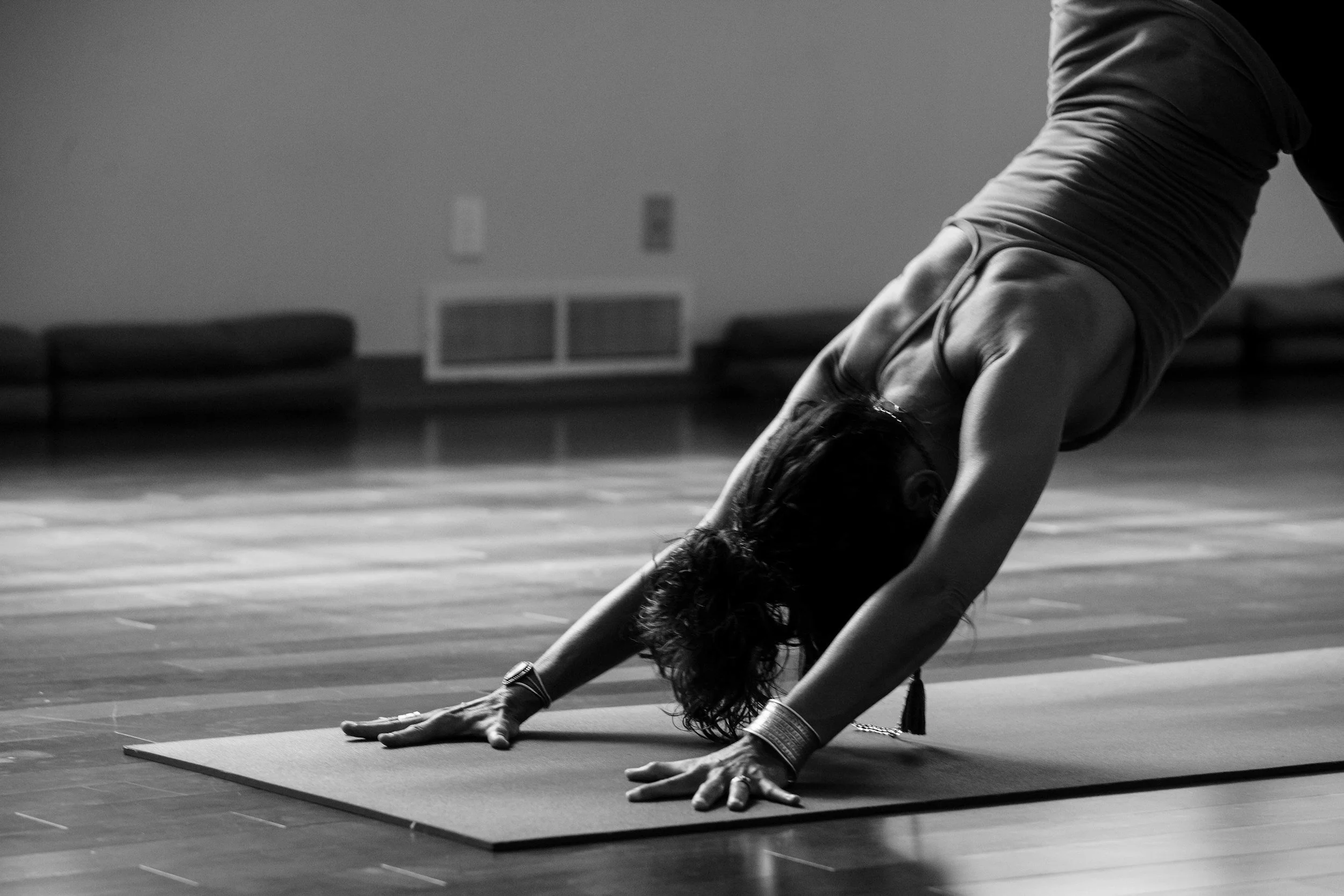
Instead of chasing an unrealistic social-media version of "perfect health", try taking a gentle, supportive approach to the body you have.
Try the "Little and Often" Approach. If you can't manage three 45-minute gym sessions this week, a 10-minute walk or a quick 15-minute stretch in the living room is still brilliant.
You might not be able to change your work stress, but you might be able to drink an extra glass of water, pop outside for five minutes of fresh air, or get to bed 20 minutes earlier.
Define your health for yourself. Health isn't about hitting an arbitrary size, keeping up with someone else's routine, or looking a certain way. It's simply about building enough physical and mental ease to enjoy your life as comfortably as possible.
You are a human being navigating a busy world filled with financial pressures, family responsibilities, biological realities, and limited time.
Your physical health is influenced by dozens of different things, some you can nudge in a good direction, and many you simply have to manage as best you can. Do what you can, with the time and energy you have, in the circumstances you find yourself in today. That is more than enough.
Disclaimer: This article is for educational and informational purposes only and does not constitute medical, financial, or healthcare advice. Health is unique to every individual. If you are managing a medical condition, chronic pain, or significant stress, please consult your GP or a qualified healthcare professional to find a safe, supportive approach for your personal circumstances.