
There Is More to Life Than Fitness (But There Is More Life With Fitness)
If you look at social media on any morning, it’s understandable why starting a new fitness routine can feel intimidating. We are being bombarded with videos of 5:00 AM alarms, rigid meal-prep containers, and intense two-hour daily gym sessions. It creates a myth that if you want to be healthy, you have to turn fitness into your entire personality.
When health becomes an obsession, it stops enriching your life and starts shrinking it. Skipping dinner with friends out of fear of uncontrolled calories, feeling consumed by guilt over a missed workout, or turning your whole week into a checklist misses the point of getting fitter entirely.
Fitness isn't the main character of your story, it is the supporting character designed to make (you) the main character thrive. There is so much more to life than fitness. But at the same time, it’s impossible to ignore that everything in life is harder when you aren't fit.
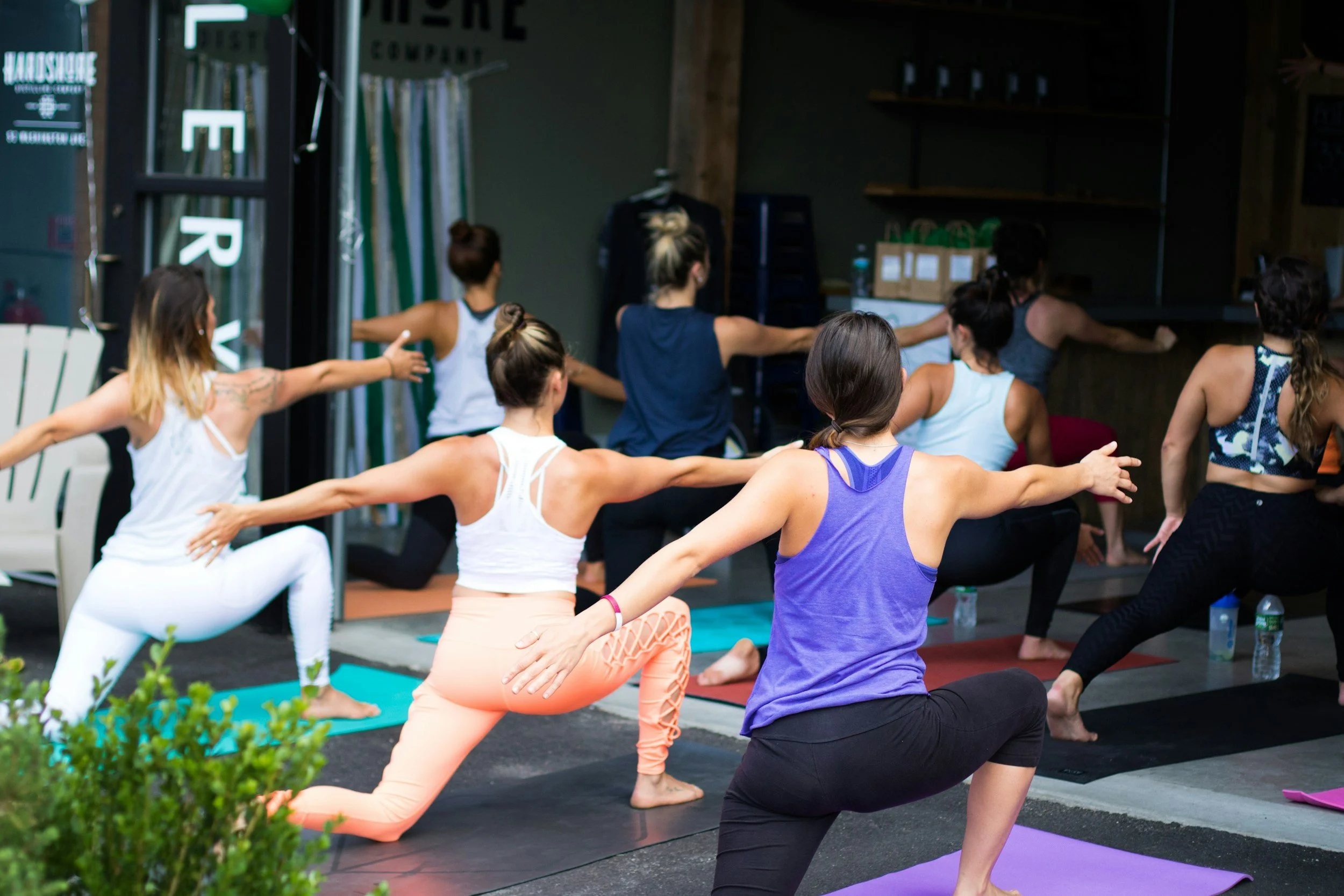
Physical fitness is the background of your daily life. When your foundational health is not as good as it could be, ordinary life takes more energy, your mood suffers, and you have less freedom. This doesn't just limit what you can do in a gym, it places invisible boundaries around what you can comfortably enjoy in the real world.
For some people what’s keeping them from starting isn't a lack of desire, it is the worry that fitness will consume their free time and swallow their whole life. But biology is far more forgiving than wellness influencers would have you believe. Your body doesn’t require hours of daily exercise to build strength, protect your mental health, or boost your vitality.
By focusing on the minimum effective dose, the smallest amount of physical stimulus required to trigger a positive biological adaptation it really won’t take up that much of your time.
Just two or three 30-minute strength sessions per week are more than enough to build muscle, protect bone density, improve joint stability, and support insulin sensitivity (which is particularly vital for hormonal balance and energy management).
A daily 15-minute walk delivers cardiovascular, digestive, and mental health benefits without requiring a change of clothes or a commute to a gym.
Fitness works best when it fits comfortably into your existing life, rather than demanding you rebuild your entire schedule around it.
Another concern when starting out is that adding exercise to an already demanding week will leave you utterly exhausted for work, family, and hobbies. However, supportive, well-paced movement actually does the exact opposite, it gives you energy back.
When you move regularly, your circulation improves, your sleep quality deepens, and your nervous system releases mood-regulating neurotransmitters like dopamine and endorphins. Instead of feeling continuously drained, you’ll begin to navigate daily demands with far more stamina and emotional resilience. You aren't losing precious hours from your week, you’re improving your energy, mood, and clarity of the hours you already have.
When we reframe physical health, the goal shifts completely. You don't train, lift weights, or go for walks to become someone who lives in the gym. You do it so that when you step outside the gym, your body is ready for whatever life throws at you. Building physical capability isn't just about achieving aesthetic goals, it is about gaining physical freedom.
To build a supportive habit without letting it take over your identity, set some boundaries that keep movement in its proper place.
A 15-minute home workout or a short walk is infinitely better than an hour-long session plan you talk yourself out of doing. Consistency always beats perfection.
Exercise should support your life, not replace the things that bring you joy. You don't need to give up the occasional Friday night takeaway, socialising, or Sunday lie-ins to improve your fitness.
When you train to feel capable, energetic, and pain-free rather than chasing a specific body size or shape, exercise begins feeling like genuine self-care.
You do not need to spend hours a day on a treadmill or turn your life upside down to unlock the benefits of being strong and active. A few focused strength sessions, daily walking, quality sleep, and nourishing food are more than enough to build a body that serves you well.
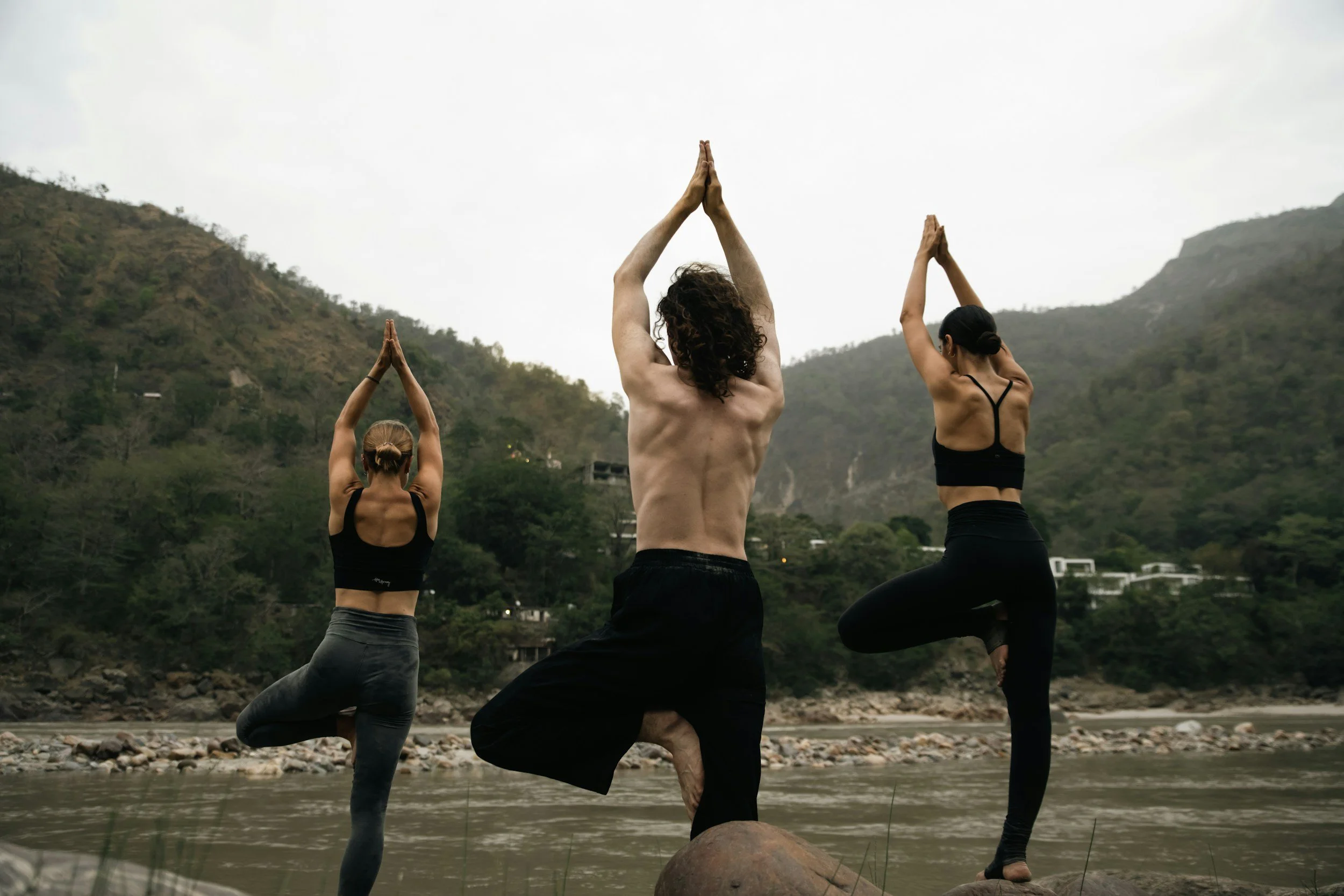
Movement is simply a tool to make your real life richer, easier, and more enjoyable. You don't have to change who you are, give up what you love, or let a routine take over your world. There is more to life than fitness. But when you look after your body with kindness and consistency, you quickly realise there is far more life with it.
Disclaimer. I love sharing the science behind how our bodies work, but please remember that this post is for educational purposes only. My goal is to empower you with general nutritional and fitness guidance to support your long-term health. This isn't a substitute for professional medical advice, diagnosis, or treatment. Every "body" is unique, so please check in with your doctor before starting a new nutritional or training programme to ensure it’s the right fit for your individual needs.