
Finding Your Headspace
There is nothing quite like the immediate shift in how you feel after a solid exercise session. When you are managing a busy life alongside the endless daily pressures of work and family, the most powerful benefit of regular movement is the instant lift in your mood, energy, and clarity. Weightlifting also becomes about transforming your mental state from stressed and overwhelmed to calm and collected in less than an hour. The most direct and reliable way to change your mood is to physically change how you interact with the world through movement.

The mental fatigue and "brain fog" so many of us experience during demanding weeks are deeply rooted in our biology. Chronic stress, lack of sleep, and daily pressures can disrupt areas of the brain responsible for memory, attention, and executive function, leaving us feeling mentally drained and entirely unfocused.
This is where structured resistance training steps in. Engaging in regular physical exercise is proven to support cerebrovascular health, directly enhancing blood flow regulation to the brain and promoting neuroplasticity, the brain’s ability to adapt, recover, and rewire itself. By lifting weights, you are driving vital circulation back to your brain, protecting your nervous system against cognitive fatigue, and boosting your daily mental stamina.
For decades, the fitness industry has conditioned us to view exercise as a form of physical penance a way to burn calories or alter a body shape. But when you step up to a barbell or pick up a pair of dumbbells, the immediate return on investment is psychological.
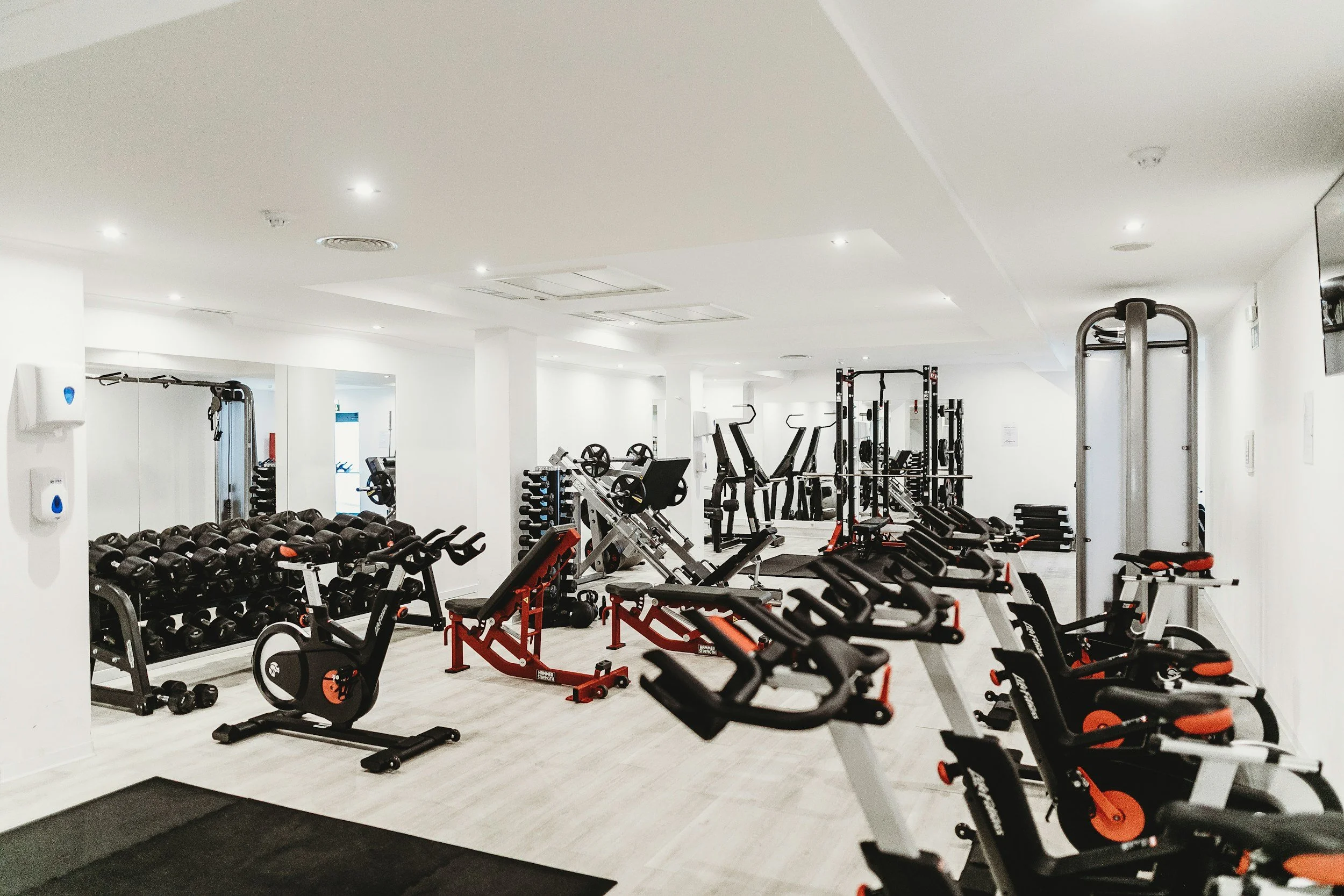
Strength training forces a profound shift in mindfulness. You cannot safely execute a deadlift or an overhead press whilst mentally scrolling through your to-do list, it demands absolute presence, body awareness, and deliberate breathing. This intense focus acts as a natural circuit-breaker for the chronic, stress and anxiety that so frequently characterises a hectic lifestyle. On a chemical level, a well-structured resistance workout helps downregulate your physiological stress response, metabolising excess cortisol and replacing it with endorphins that foster a lasting sense of capability and calm. It provides an immediate, tangible outlet for nervous energy, allowing you to walk out of the gym with a lighter mind and a grounded, re-centred sense of self.
You cannot maintain a clear mind if you are chronically sleep deprived, but sleep disturbances are among the most common complaints from busy adults. Whether it’s the inability to switch off or waking up regularly at 3:00 am, poor nightly rest directly compounds daytime fatigue, irritability, and mental exhaustion.
While sleep hygiene advice often tells us what not to do, strength training gives us a proactive strategy to help fix our sleep from the inside out. Lifting weights causes targeted muscular fatigue and triggers deep cellular repair mechanisms, which significantly increases the homeostatic drive for deep, slow-wave sleep, the exact phase of sleep where your brain processes emotions and restores cognitive energy. Regular strength training results in shorter times to fall asleep, fewer middle-of-the-night awakenings, and a dramatic reduction in daytime dysfunction and fatigue. When you lift weights during the day, you are directly investing in a quieter, more restorative night.

If you are already feeling stretched to your limit, the thought of starting an exercise programme might feel like another chore. But you do not need to spend hours in the gym to reap these cognitive rewards.
Prioritise Consistency Over Intensity, Aim for just two to three 30-to-45-minute strength sessions per week, focusing on fundamental, compound movements like squats, rows, and chest presses.
Track Your Mind, Not Just Your Reps. Notice how you feel before you lift versus after. Use your workout intentionally as a dedicated block of time where the world’s demands are put on pause, and your only job is to be present.
Give Yourself Grace. Some weeks your headspace will allow you to lift heavier, other weeks, moving lighter weights with focused breathing is exactly what your nervous system requires.
Life will always bring its challenges. By treating strength training as an essential form of mental self-care, you can clear the fog, lower the noise, and step back into your life feeling strong, capable, and centred.
References
Frontiers in Aging Neuroscience (2010). Contribution of physical fitness, cerebrovascular reserve and cognitive stimulation to cognitive function in post-menopausal women. Frontiers in Aging Neuroscience, 2, 137.
Sleep Medicine Reviews (2018). The effect of resistance exercise on sleep: A systematic review of randomized controlled trials. Sleep Medicine Reviews, 39, 52-68.
Disclaimer. I love sharing the science behind how our bodies work, but please remember that this post is for educational purposes only. My goal is to empower you with general nutritional and fitness guidance to support your long-term health. This isn't a substitute for professional medical advice, diagnosis, or treatment. Every "body" is unique, so please check in with your doctor before starting a new nutritional or training programme to ensure it’s the right fit for your individual needs.