
The Compound Advantage
If you have limited time to spend in the gym, you cannot afford to waste it on movements that only train one muscle at a time. For women over 40, the goal is not just "exercise"—it is building a body that is resilient, capable, and physically prepared for the decades ahead.
To achieve that, we have to move away from isolation exercises and start prioritising compound movements.
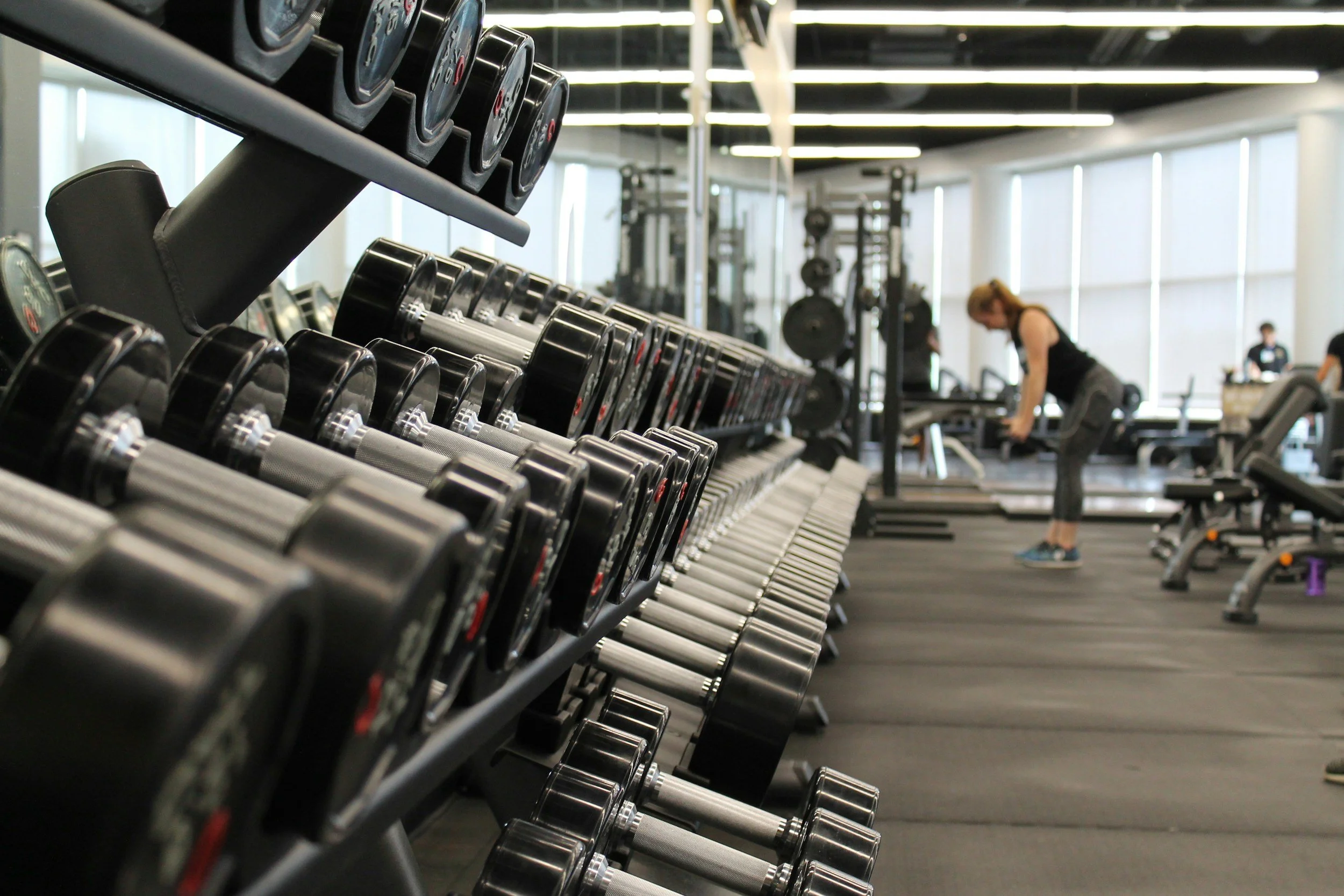
What are Compound Movements?
A compound movement is any exercise that involves more than one joint and multiple muscle groups working in unison. Think of a squat: your ankles, knees, and hips are all moving, and your entire lower body and core are engaged. Compare that to a leg extension machine, where only your knee moves and only your quads are working.
In the world of strength training, compound movements are the heavy hitters. They include squats, deadlifts, presses, and pulls.
The transition through perimenopause and menopause involves a significant decline in oestrogen, a hormone that plays a critical role in muscle protein synthesis and bone mineral density. Compound lifting is one of the most effective tools we have to counter these changes.
Bone is living tissue that responds to mechanical stress. This is known as Wolff’s Law, your bones will adapt to the loads under which they are placed. To prevent osteopenia and osteoporosis, we must place a minimal essential strain on the skeleton.
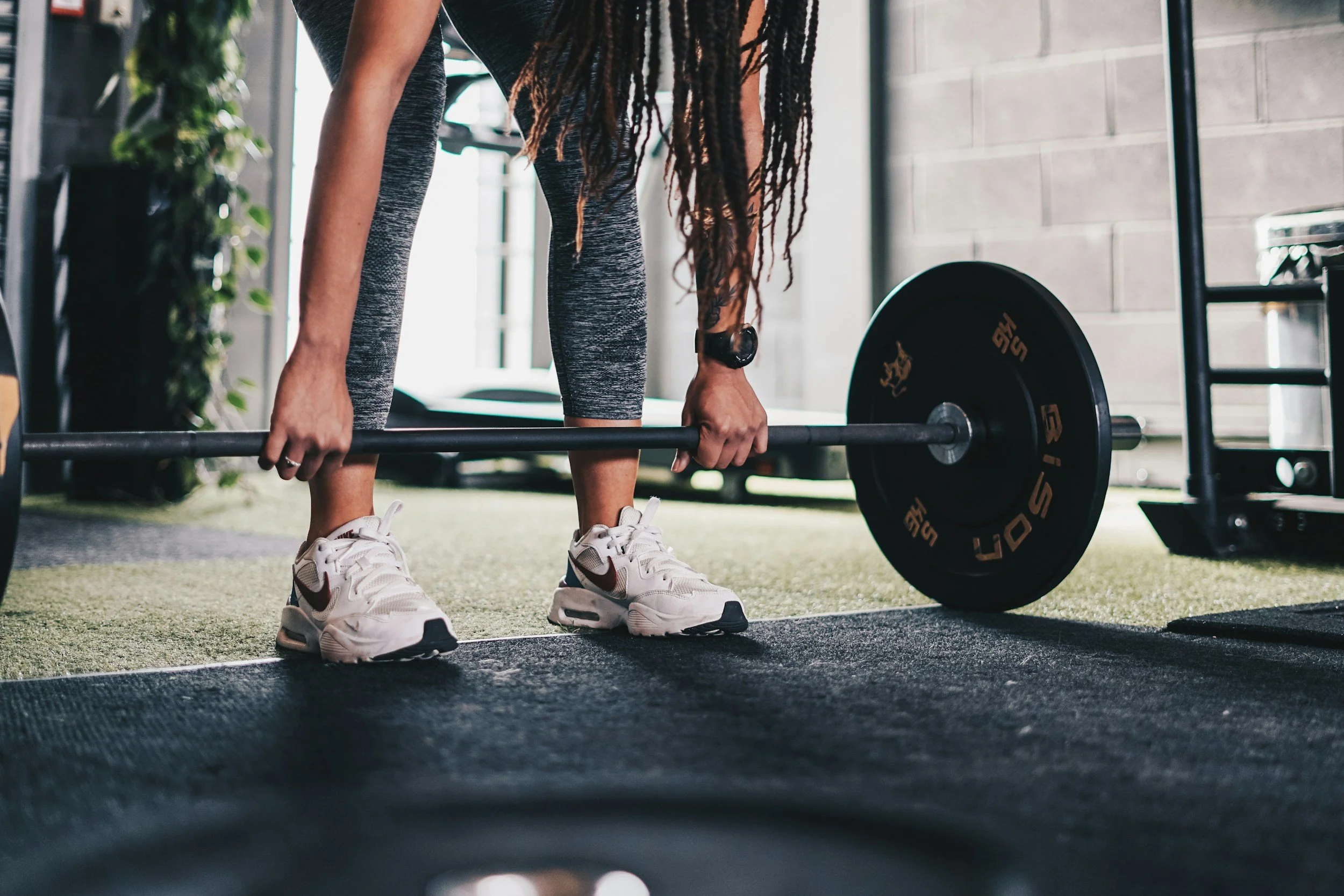
Compound movements, particularly those that involve axial loading (placing weight through the spine and hips), provide a systemic stimulus that isolation exercises cannot match. A leg extension machine only loads the knee joint while a squat loads the ankles, knees, hips, and the entire spinal column, signalling the body to reinforce the density of the femoral neck and the vertebrae.
We used to view muscle simply as a tool for movement. We now know it is an endocrine organ that secretes "myokines" the signalling molecules that reduce systemic inflammation and improve heart health.
Compound exercises require the simultaneous recruitment of multiple large muscle groups, which in turn increases the body’s glucose disposal capacity. When you engage a greater volume of muscle tissue in a single movement, you create a massive demand for energy. To meet this demand, your muscles pull glucose directly from the bloodstream to fuel the exertion.This process is facilitated by the proteins that act as the gateway for sugar to enter your cells. By maximising the amount of active tissue during a workout, you stimulate more of these transporters, which directly enhances your insulin sensitivity. Essentially, your body becomes more efficient at using the food you eat, rather than storing it.
Maintaining this efficiency is a biological priority as we age. During the menopausal transition, the decline in oestrogen often leads to a decrease in the body's ability to efficiently switch between burning carbohydrates and fats for fuel. Lifting weights acts as a primary intervention, forcing the metabolism to remain adaptable and ensuring that blood sugar levels remain stable, which in turn protects long-term cardiovascular health.
Strength is not just about muscle size, it’s also about the efficiency of your nervous system. Compound movements require the brain to coordinate complex sequences of muscle contractions. This builds neuromuscular efficiency, which improves your balance, power and also the prevention of falls in later life.
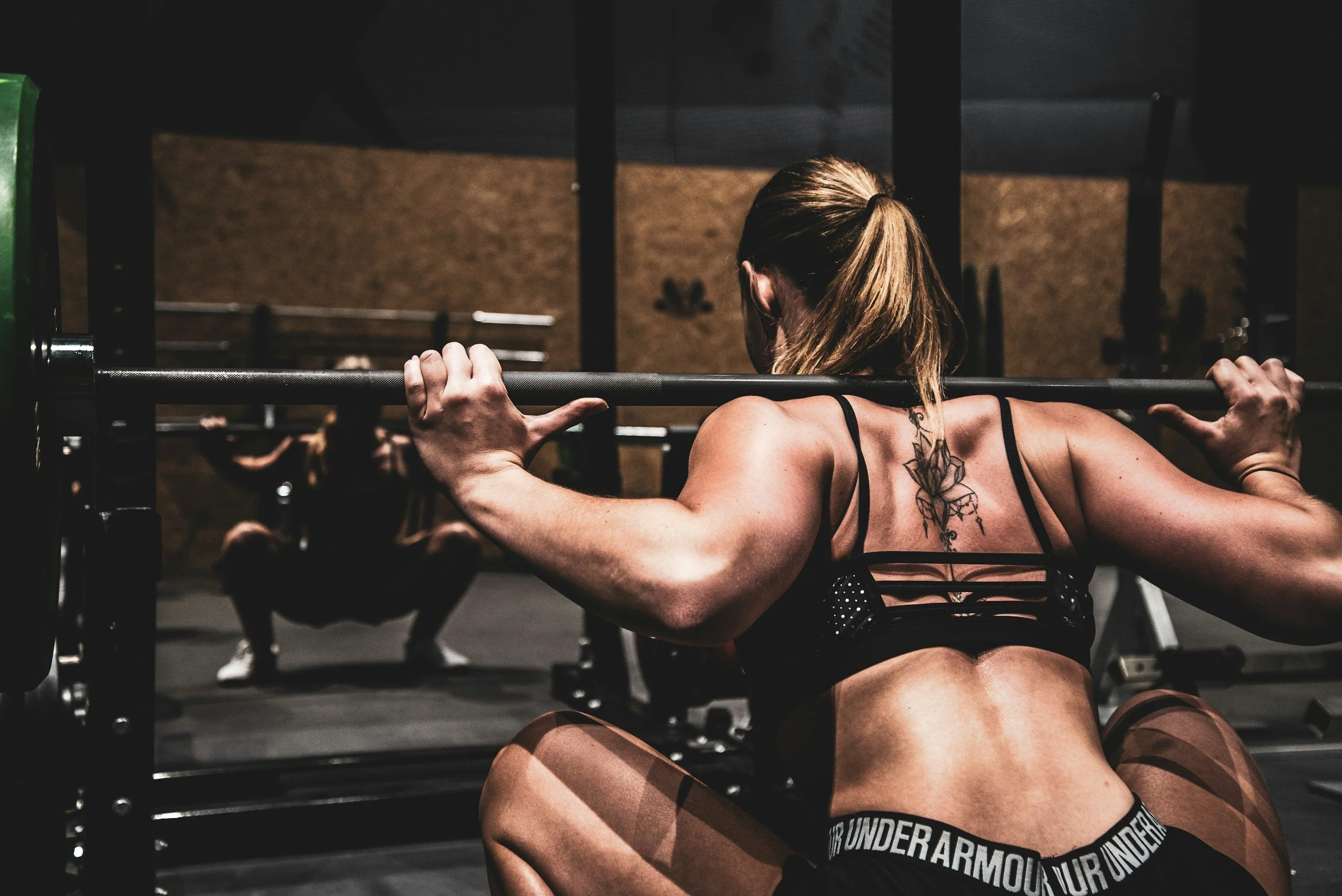
Compound Movement Programme
This programme targets the five primary movement patterns, the focus should be on intensity of effort and mechanical tension to provide the necessary stimulus for heart and bone health.
1. The Goblet Squat (Knee Dominant)
To build lower-body power while reinforcing upright postural integrity and loading the hips and spine.
Hold a kettlebell or dumbbell like a goblet at chest height, tucked against your sternum. Position your feet shoulder-width apart, toes slightly flared to allow the hips to open.
Descend by simultaneously pushing your hips back and bending your knees, as if sitting into a chair. Keep your torso upright and the weight close to your body. Once your thighs are parallel to the floor, or as deep as your mobility allows, drive through your feet to return to a full standing position.
The Cues
Brace your Core. Inhale deeply into your abdomen to create intra-abdominal pressure before you descend.
Spread the Floor. As you descend, imagine trying to tear the floor apart with your feet to engage the glutes and stabilise the knees.
Drive from the Mid-foot. Make sure the weight remains centred, do not allow the heels to lift.
2. The Deadlift (Hinge Dominant)
To strengthen the entire posterior chain, the glutes, hamstrings, and the spinal erectors, while training a safe lifting mechanic for daily life.
Stand with the weight positioned directly between your arches. Soften your knees and push your hips back, maintaining a long, straight spine until you can reach the bar.
Grip the weight firmly. Keeping your back flat, drive your hips forward to pull the weight off the floor. Stand up completely, pulling your shoulders back at the top. Reverse the movement by pushing your hips back first, lowering the weight under control until it touches the floor.
The Cues
Long Spine. Keep the neck neutral, look at a point a few metres in front of you.
Lats On. Pull your shoulders back and down as if trying to tuck your shoulder blades into your back pockets. This protects the spine.
Push, Don’t Pull. Treat the deadlift as a leg press against the floor rather than a pull with the arms.
Keep the bar as close to your body as possible.
3. The Overhead Press (Vertical Push)
To develop shoulder stability, upper-body bone density, and core rigidity.
Stand with feet hip-width apart and glutes squeezed. Hold dumbbells at shoulder height with your elbows positioned slightly in front of your body.
Press the weights vertically toward the ceiling by fully extending your arms. Ensure your ribs stay tucked down and do not arch your lower back. At the top of the movement, your biceps should be in line with your ears. Lower the weights back to the starting position with control.
The Cues
Glutes Tight. Squeeze your glutes hard to create a stable base and prevent the lower back from arching.
Vertical Path. Press the weights straight up, ending with your arms locked out directly over your ears.
Control the Negative. Lower the weights slowly to maximise time under tension.
4. The One-Arm Row (Horizontal Pull)
The Objective: To reinforce scapular health and improve posture by strengthening the muscles of the upper and mid-back.
Support yourself with one hand and one knee on a bench, or stand in a staggered stance leaning on a sturdy surface. Ensure your torso remains parallel to the floor.
Start with your arm fully extended toward the floor. Pull the weight upward by drawing your elbow back toward your ribcage. Focus on the movement of the shoulder blade moving toward the spine. Lower the weight until the arm is fully extended again.
The Cues
Lead with the Elbow. Focus on pulling the elbow toward the hip, not the hand toward the shoulder.
Full Protraction. Allow the weight to pull your shoulder blade forward at the bottom, then fully retract it at the top.
Stay Square. Do not allow your hips or shoulders to rotate, the movement should be isolated to the arm and shoulder blade.
5. The Farmer’s Walk (Loaded Carry)
To build grip strength, heart health, and structural resilience under load.
Pick up two heavy dumbbells or kettlebells using a deadlift mechanic. Stand perfectly upright with your arms at your sides.
Walk forward in a straight line using small, deliberate steps. Maintain a rigid torso and do not allow the weights to pull your shoulders forward or swing against your legs. Continue for a set distance or time, then lower the weights safely.
The Cues
Active Grip. Squeeze the handles as hard as possible.
Heel-to-Toe. Walk with a normal gait, but keep your steps small and controlled to maintain stability.
Brace for Impact. Keep the core engaged to prevent the weights from swaying or tugging at your spine.
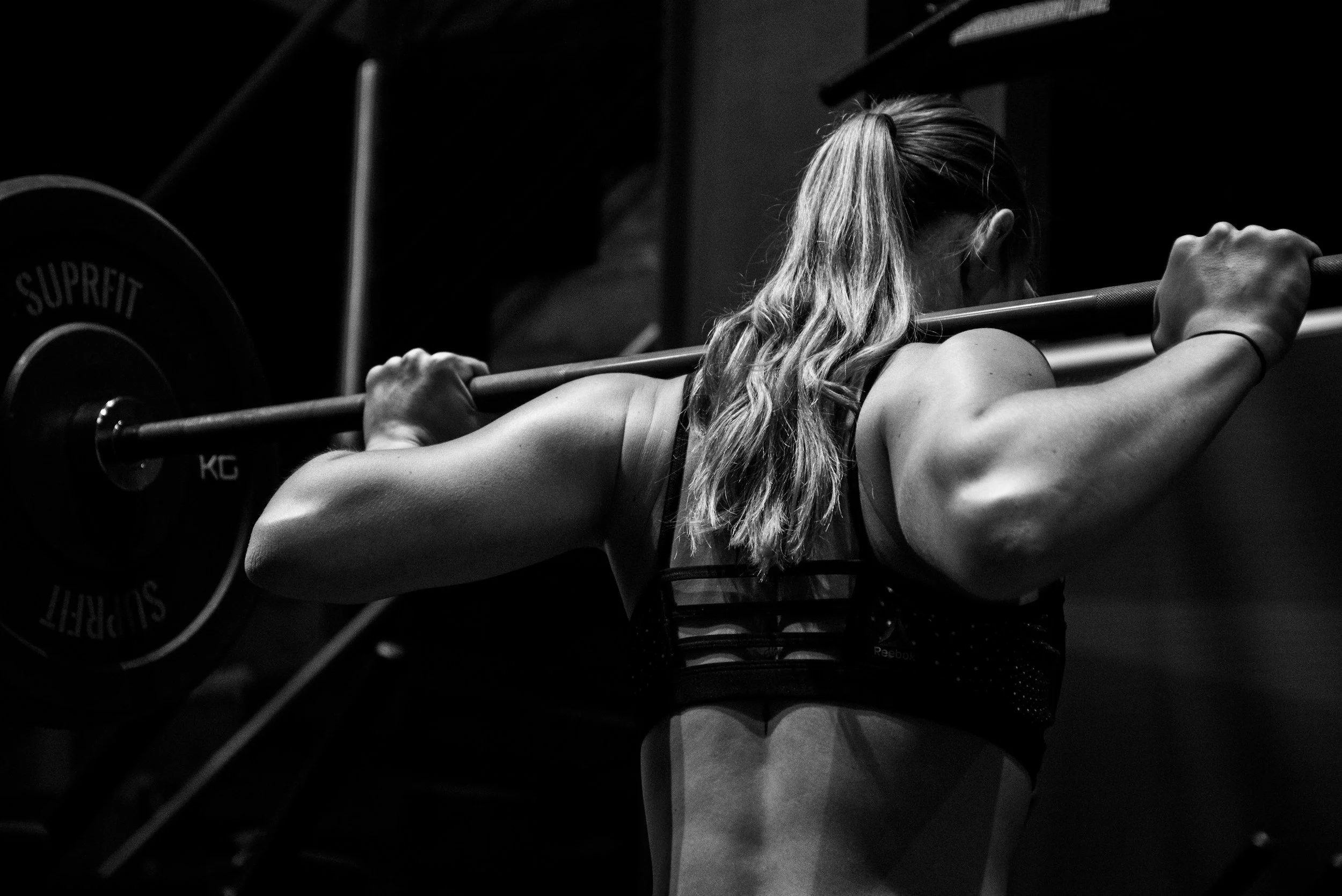
Strategy and Progression
To see real changes in your heart and bones, you must apply Progressive Overload. This means gradually increasing the difficulty of your workouts over time, either by adding more weight, performing more repetitions, or reducing rest periods.
This is where professional coaching becomes an essential investment. Compound movements are highly effective, but they require technical precision. A Personal Trainer acts as your strategist, ensuring that your form is perfect and that you are progressing at a rate that challenges your biology without overtaxing your recovery capacity.
Stop training for the short term. Start building the foundation for the rest of your life.
References
British Journal of Sports Medicine (2025). Resistance Training and Bone Mineral Density in Postmenopausal Women: A Systematic Review.
Journal of Bone and Mineral Research (2024). Wolff’s Law and Axial Loading: Mechanisms of Bone Remodelling in Ageing Populations.
UK Chief Medical Officers' Guidelines (2026). Muscle-Strengthening Activity and Cardiovascular Health: Recommendations for Adults Over 40.
Disclaimer. I love sharing the science behind how our bodies work, but please remember that this post is for educational purposes only. My goal is to empower you with general nutritional and fitness guidance to support your long-term health. This isn't a substitute for professional medical advice, diagnosis, or treatment. Every "body" is unique, so please check in with your doctor before starting a new nutritional or training programme to ensure it’s the right fit for your individual needs.