
What are Carbohydrates?
In the modern fitness landscape, carbohydrates are often discussed with a level of fear that isn’t supported by the underlying science. By learning a bit about at how our bodies process energy we can look past these social media/food shaming trends and build a healthy understanding of your own energy needs.
Understanding the role carbohydrates play in our diets, isn’t just about counting macros (although that does play a part), it’s understanding the systems that keep us energised, thinking, and moving.
Carbohydrates are one of the three primary macronutrients required by the human body. Understanding their role involves examining the molecular processes that govern energy production, storage, and the physical variables that influence your own requirements.
The Molecular Foundation
At their origin, carbohydrates are stored energy from the sun. Through the process of photosynthesis, plants take carbon dioxide and water and use light energy to synthesise glucose

When we consume these plants, we are essentially harvesting that stored solar energy to power our own cellular processes. Carba are classified by their chemical structure specifically, how many sugar molecules are linked together. Monosaccharides, the most common is glucose, which is basically the universal fuel for human cells. Polysaccharides (Complex Chains) These are the long, chains of glucose molecules, such as starch (potatoes, grains) and fibre (cellulose). Because of their complexity, the body takes longer to digest them, resulting in a steadier release of energy into the bloodstream [1].
Glucose Utilisation and Storage
When you eat carbohydrates, they’re broken down into glucose and enter your bloodstream. In response to this rise in blood sugar, your pancreas releases a hormone called insulin.
Insulin's role is to signal your cells to move specific pathways called GLUT4 transporters to the cell's surface. These pathways act as entry points, allowing glucose to move from your blood and into your cells. Once inside, the glucose is processed through internal cycles to create Adenosine Triphosphate (ATP). ATP is the specific form of energy that powers every biological function in your body.
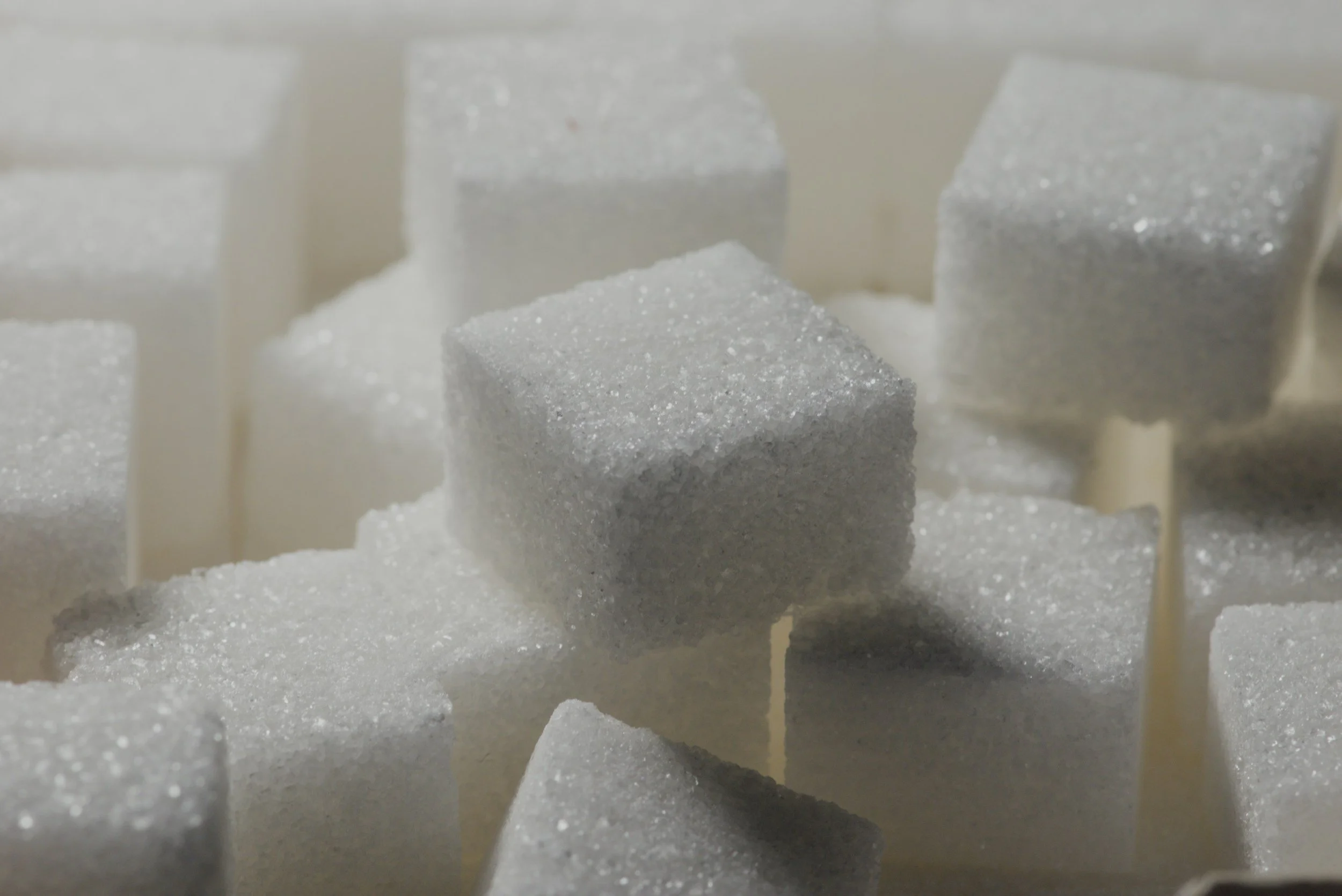
When your body has more glucose in the bloodstream than it needs for immediate energy, it converts the extra sugar into a storage form called glycogen. This storage process allows your body to save energy for later use, acting like a battery reserve.
There are two main places where this energy is kept:
The Liver stores a small amount of glycogen, usually around 75–100 grams. Its main job is to act like a backup for your entire system. When your blood sugar levels start to drop between meals, the liver releases this stored glucose back into the blood to keep your levels stable. This is especially important for the brain, which is a high-energy organ that requires about 120g of glucose every day to function properly [2].
The majority of your glycogen roughly 400–600 grams in the average adult is stored directly in your muscles. Unlike the liver, your muscles don’t share their glycogen with the rest of the body. This fuel is reserved specifically to power your physical movement and exercise.
The Storage Limit
It is important to note that glycogen storage has a physical limit. Your liver and muscles can only hold so much. Once these storage areas are full, if energy intake continues to exceed what the body is burning, the liver begins to convert the remaining glucose into fatty acids, which are then stored as fat.

The Alternative Ketosis and Gluconeogenesis
If your body doesn't have enough carbohydrates available from food or stored glycogen, it has built in survival systems to ensure that your cells, and especially your brain continue to function.
This is how these alternative energy pathways work. When your blood sugar is low or you haven't eaten for a long period, your liver begins to break down fat stores to create ketone bodies. You can think of these as an alternative fuel for your brain and muscles. This process allowed our ancestors to remain physically and mentally sharp even when food was scarce. While the body is very efficient at using this fat-based fuel, it is essentially a backup generator designed to keep things running when primary fuel is unavailable [3].
Even if your body is using ketones for energy, certain parts of your brain and your red blood cells still require glucose to survive. If you aren't eating enough carbohydrates, your body will make its own sugar through a process called gluconeogenesis. To do this, the body takes the raw materials from other places, such as amino acids from protein or glycerol from fat. This process is often triggered by an increase in cortisol, which is a stress hormone. While this is a survival mechanism, it is a more demanding process for the body than using glucose from food [4].
Fast Fuel vs. Slow Fuel in Exercise
The type of fuel your body uses depends heavily on how hard you are working.
Low-Intensity: When you are walking or jogging slowly, your body is capable of using ketones and fat as a steady, slow-burning fuel.
High-Intensity: When you do something explosive like sprinting, lifting heavy weights, or a high-energy workout your body needs fuel that can be burned very quickly. This is where glucose is used.
Research shows that without enough glucose, your "peak power" can drop slightly. While you can still exercise using alternative fuels, you might find it harder to reach top speeds or maximum strength because fat and ketones cannot be converted into energy fast as glucose to meet those higher intensity demands [5].
The Physiological Factors Influencing Consumption
How much and how often we eat carbohydrates is controlled by a complex set of signals between the brain and the body. These signals determine whether we feel hungry, satisfied, or compelled to keep eating. Here is how those systems work.
1. The Bliss Point and Your Reward Centre
In modern food production, carbohydrates are often combined with specific amounts of fat and salt to reach what’s known as the Bliss Point. This is a precise balance designed to make food as appealing as possible.
When you eat these foods, your brain’s reward centre releases dopamine, a chemical that makes you feel good and encourages you to repeat the behaviour. Because this reward signal is so strong, it can override your body's natural I am full signals, making it easy to continue eating even if your body has already met its energy needs [6].

2. How Fibre Acts as a Fullness Switch
Fibre plays a massive role in how your body communicates hunger. When you eat fibre rich carbohydrates (like vegetables, beans, or whole grains), they add bulk to your meal. As your stomach physically stretches, nerves in the stomach wall send a direct message to your brain saying you are full. This stretching, along with the slow digestion of fibre, triggers the release of hormones (such as CCK and PYY). These act as chemical stop signs that lower your appetite.
Refined carbohydrates (like white bread or sugary snacks) have had most of this fibre removed. Without that bulk, the stomach doesn't stretch as much, and the I’m full signs are much weaker. This is why it is often easier to eat a large amount of refined carbs without feeling satisfied compared to eating the same amount of energy from high fibre foods [7].
3. The Sugar Crash
When you consume highly refined carbohydrates, they are converted into glucose very quickly, causing a sharp spike in your blood sugar. In response, your pancreas releases a large amount of insulin to move that sugar into your cells. Sometimes, if the insulin response is very strong, it can clear the sugar from your blood too quickly, causing your levels to drop below where they started. This is called reactive hypoglycemia, or a sugar crash. Because your brain needs a steady supply of glucose to function, it perceives this drop as an energy crisis. In response, it sends out intense hunger signals, specifically for more quick-burning carbohydrates to try and bring your blood sugar back up to a steady level.

Variability and Bio-Individuality
How much carbohydrate a person needs isn't a fixed number. Instead, it changes based on a person’s unique physical situation, their health, and how much they move throughout the day.
Your need for carbohydrates is directly linked to your activity level. High Activity, If you are engaging in high-volume training or a physically demanding job, your muscles burn through their stored energy (glycogen) quickly. You require more carbohydrates to refill those tanks and support recovery. Low Activity, If you have a sedentary lifestyle such as a desk job with minimal exercise your energy tanks don't empty as often. So, your body requires fewer carbohydrates to maintain its balance.
While carbohydrates are a very efficient fuel source, your body has a limit on how much it can store in the liver and muscles. When you consistently eat more energy than your body burns, and your storage tanks are already full, your body has to find a way to manage the excess.
Through a process called De Novo Lipogenesis, the liver converts that extra glucose into fatty acids. These are then moved into your adipose tissue (body fat) for long-term storage. This isn't a fault of the carbohydrate itself, but rather a result of a long-term energy surplus where more fuel is coming in than the body is able to use or store as glycogen.

In summary, carbohydrates serve as a primary energy source that the body prefers to process and use for daily functions.
Because the body is capable of this metabolic flexibility, there’s no single correct or universal amount of carbohydrates that each person requires. Instead, the ideal intake is a sliding scale based on your unique metabolism, daily activity, and specific health needs.
Citations & Scientific References:
1. Slavin, J., & Carlson, J. (2014). Carbohydrates. Advances in Nutrition.
2. Berg JM, et al. (2002). Biochemistry. Section 30.2: Each Organ Has a Unique Metabolic Profile.
3. Masood W, et al. (2022). Ketogenic Diet. StatPearls Publishing.
4. Anderson, K. E., et al. (1987). Diet-hormone relationships: Diet effects on cortisol. Life Sciences.
5. Burke, L. M., et al. (2017). Low carbohydrate, high fat diet impairs exercise economy. The Journal of Physiology.
6. Kessler, D. A. (2009). The End of Overeating.
7. Gerstein, D. E., et al. (2004). The effectiveness of fiber in the management of obesity. Nutrition Reviews.
I love sharing the science behind how our bodies work, but please remember that this post is for educational purposes only. My goal is to empower you with general nutritional and fitness guidance to support your long-term health. This isn't a substitute for professional medical advice, diagnosis, or treatment. Every "body" is unique, so please check in with your doctor before starting a new nutritional or training programme to ensure it’s the right fit for your individual needs.