
The Role Of Dietary Fats
In the world of nutrition, fats are often misunderstood. Much of this confusion stems from the "low-fat" movement, which often labelled all fats as something to be avoided for heart health and weight management. But, as the understanding of human physiology has evolved, it’s become clear that simply cutting out fat can lead to unintended consequences for energy levels and brain health. To move past the labels of "good" and "bad" fats, we should look at how your body uses lipids (fats) to function, protect its cells, and maintain its hormonal balance.

What are Fats?
Fats, known as lipids, are concentrated energy molecules. While 1 gram of carbohydrates or protein contains 4 calories, 1 gram of fat contains 9 calories. This density makes fat the body's most efficient way to store energy for the long term.
They are generally classified by their chemical bonds. Saturated Fats are molecules "saturated" with hydrogen atoms, typically solid at room temperature (like butter or coconut oil). Unsaturated Fats are molecules with one or more double bonds, typically liquid at room temperature (like olive oil). Triglycerides are the most common form of fat in the body, consisting of three fatty acids attached to a glycerol molecule.
The Essential Roles of Fat
Fat is much more than just fuel, it performs critical structural jobs that other nutrients cannot. Every cell in your body is surrounded by something called the phospholipid bilayer. This thin film of fat acts like a wall, protecting the cell and controlling what enters and exits. Fats are the primary building blocks for essential hormones, including testosterone and estrogen. Without adequate fat intake, your endocrine system will struggle to maintain balance. Vitamins A, D, E, and K are fat-soluble. Your body cannot absorb or use these effectively unless they are consumed alongside fats.
The Lipoprotein System
Because fat does not dissolve in water (and your blood is mostly water), the body uses specialised transport called lipoproteins.
LDL (Low-Density Lipoprotein) This carries cholesterol to cells for repair and hormone production.
HDL (High-Density Lipoprotein) Picks up excess cholesterol and returns it to the liver for processing.

Fat Storage
When energy intake exceeds what you burn, the excess is stored in adipose tissue (fat cells). Unlike other energy stores in the body, fat stores could expand to hold a nearly unlimited amount of energy. When you need that energy later, the body triggers lipolysis, breaking down triglycerides into fatty acids to be burned for fuel.
The Brain and Omega Fats
While the brain uses sugar for fuel, its physical structure is roughly 60% fat [1]. It is the "fattiest" organ in the body, and it is highly selective about the fats it uses
Omega-3 and Omega-6, these are Essential Fatty Acids (EFAs). The body cannot manufacture them, so they must come from the diet. These fats keep brain cell membranes flexible, which is vital for electrical signals to travel efficiently between neurons. Like insulation on an electrical wire, your nerves are wrapped in a fatty layer called myelin. This prevents "short-circuiting" and ensures fast cognitive processing and mood regulation.
Satiety and Digestion
One of fat's most powerful roles is managing hunger. Fats take longer to digest than other nutrients. When fat enters the small intestine, it triggers the release of the hormone Cholecystokinin (CCK) [2]. CCK tells the stomach to slow down the rate at which it empties. This is why meals containing healthy fats keep you feeling full significantly longer. Fats also stimulate Leptin, a hormone that signals to your brain that you have enough stored energy and can stop eating.

Why the Source Matters
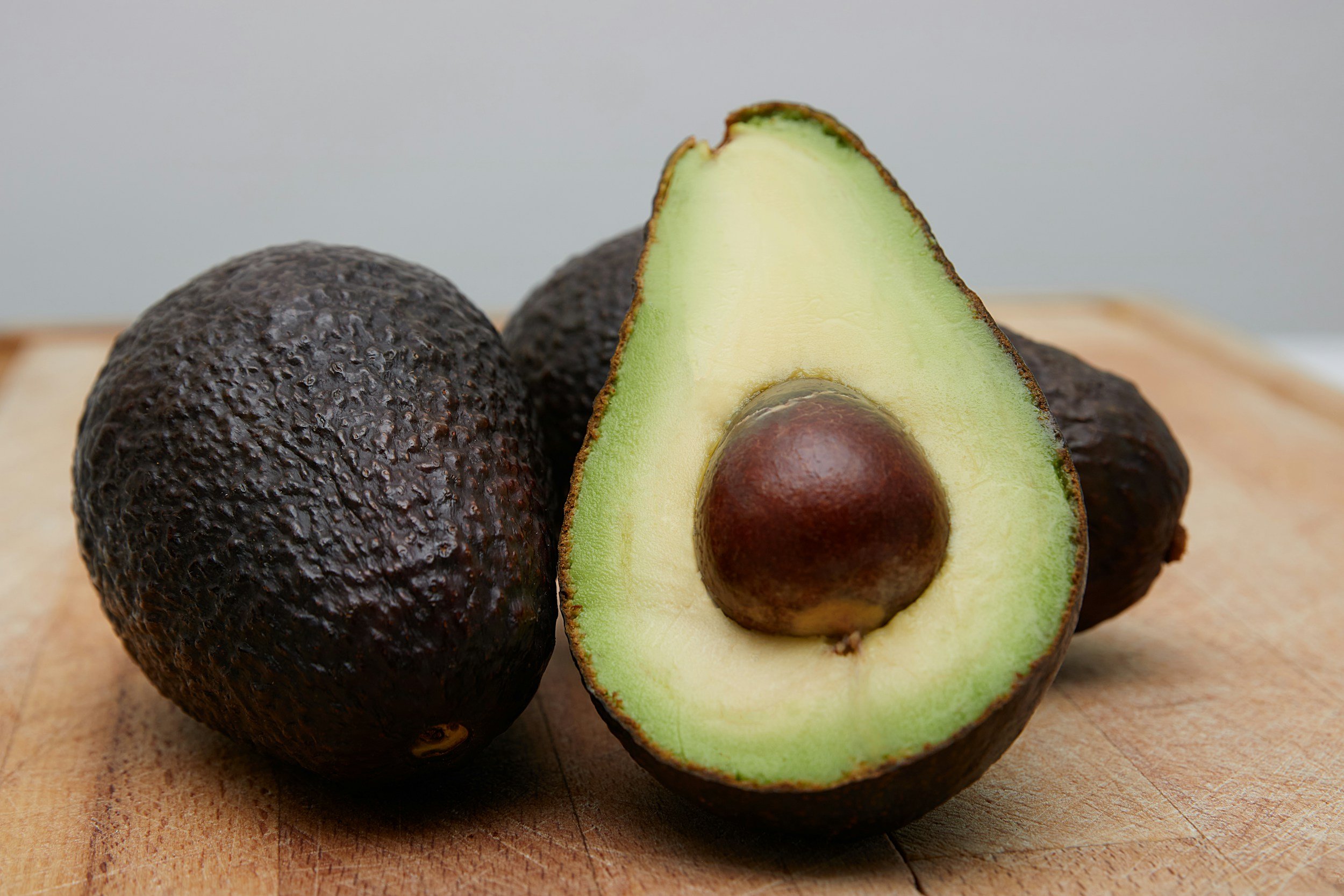
Because fats are used to build your cells and hormones, the quality of the fats you consume is vital. Natural Fats, found in whole foods like avocados, nuts, and oily fish, these come with antioxidants that protect the fat from oxidising inside your body [3]. Processed Fats, Industrial trans-fats or heavily refined oils that have been chemically altered. When the body uses these to build cell membranes, it can lead to inflammation or poor cellular communication.
How much fat?
The ideal fat intake is based on your own needs. Endurance-based movement relies heavily on fat for steady energy, while explosive, high-intensity work requires a different fuelling strategy. Since fat is calorie-dense, a small amount goes a long way. The goal is to use fat for satiety and nutrients without exceeding your total energy needs. Focus on whole-food fats to get fibre and minerals along with your energy.
Understanding fats requires moving away from the fear and myths of the past. Biologically, fats are an essential requirement for your brain's architecture, your hormonal health, and your body's ability to absorb nutrients. By changing your relationship with fat into a functional tool that protects your cells and hormonal health it can help you to make informed choices that support both your daily performance and long-term health.
Citations & Scientific References:
[1] Chang, C. Y., et al. (2009). Essential fatty acids and human brain. (Focusing on brain composition and Omegas).
[2] Little, T. J., et al. (2007). The role of cholecystokinin (CCK) in the regulation of gastrointestinal functions. (Explaining the slowing of digestion).
[3] Griel, A. E., & Kris-Etherton, P. M. (2006). Tree nuts and the lipid profile: a review of clinical studies. (Regarding whole-food sources and heart health).
I love sharing the science behind how our bodies work, but please remember that this post is for educational purposes only. My goal is to empower you with general nutritional and fitness guidance to support your long-term health. This isn't a substitute for professional medical advice, diagnosis, or treatment. Every "body" is unique, so please check in with your doctor before starting a new nutritional or training programme to ensure it’s the right fit for your individual needs.