
Have you ever caught yourself thinking, "I really want to start strength training, but I should probably get a bit fitter at home first"?
So many of us have stood in our living rooms, trying a bodyweight exercise video, telling ourselves that we need to reach an invisible baseline of physical capability before we dare step foot inside a commercial gym.
We live in a culture that pressures us to present a polished version of ourselves, so we naturally extend that logic to exercise, we want to avoid feeling out of place, using a machine incorrectly, or struggling with a movement while others look on. So we treat home workouts as a prerequisite, something we feel we must complete before earning the right to take up space in a gym.
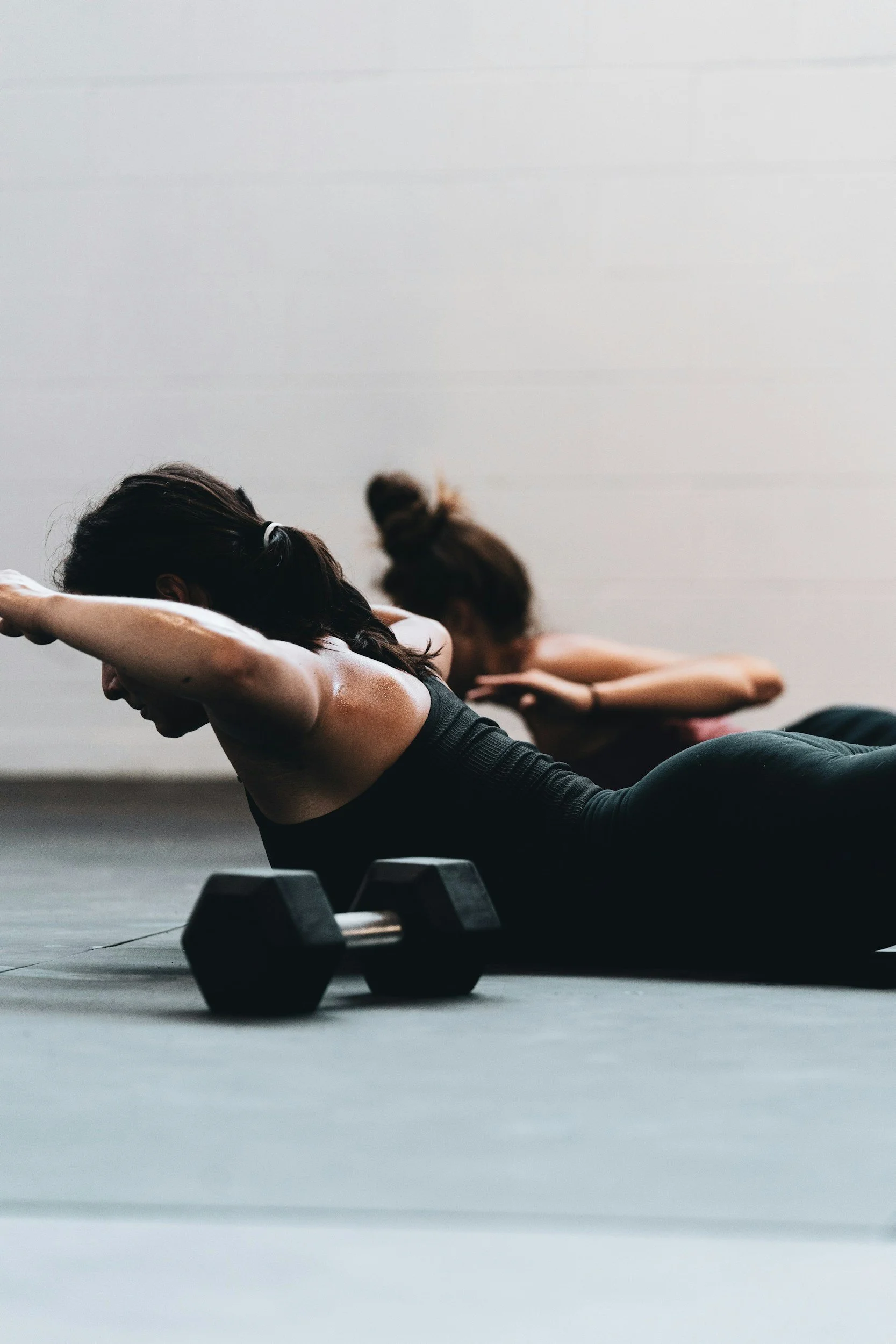
The trouble is that this creates a biological and practical paradox. Expecting yourself to get fit before using the space specifically designed to build fitness is like expecting yourself to speak fluent conversational Italian before signing up for your very first beginner's language class.
Believing that you need to get fit before going to a gym is a mental trap built on a misunderstanding of how adaptation works, and why stepping through the front door exactly as you are today is the most logical and empowering move you can make.
The belief that you need a baseline of fitness before joining a gym is primarily a psychological barrier, often rooted in a misunderstanding of how human tissues actually adapt to physical demands.
Your body is amazingly efficient. It won’t spend energy building muscle tissue, fortifying your tendons, or improving cardiovascular capacity "just in case". It only adapts when it receives a clear signal that extra capacity is needed.
This is known as the SAID Principle (Specific Adaptation to Imposed Demands). The principle established that physical adaptations are highly specific to the exact tasks, loads, and movement patterns experienced.
Your body adapts precisely to the specific environment and demands you place upon it.
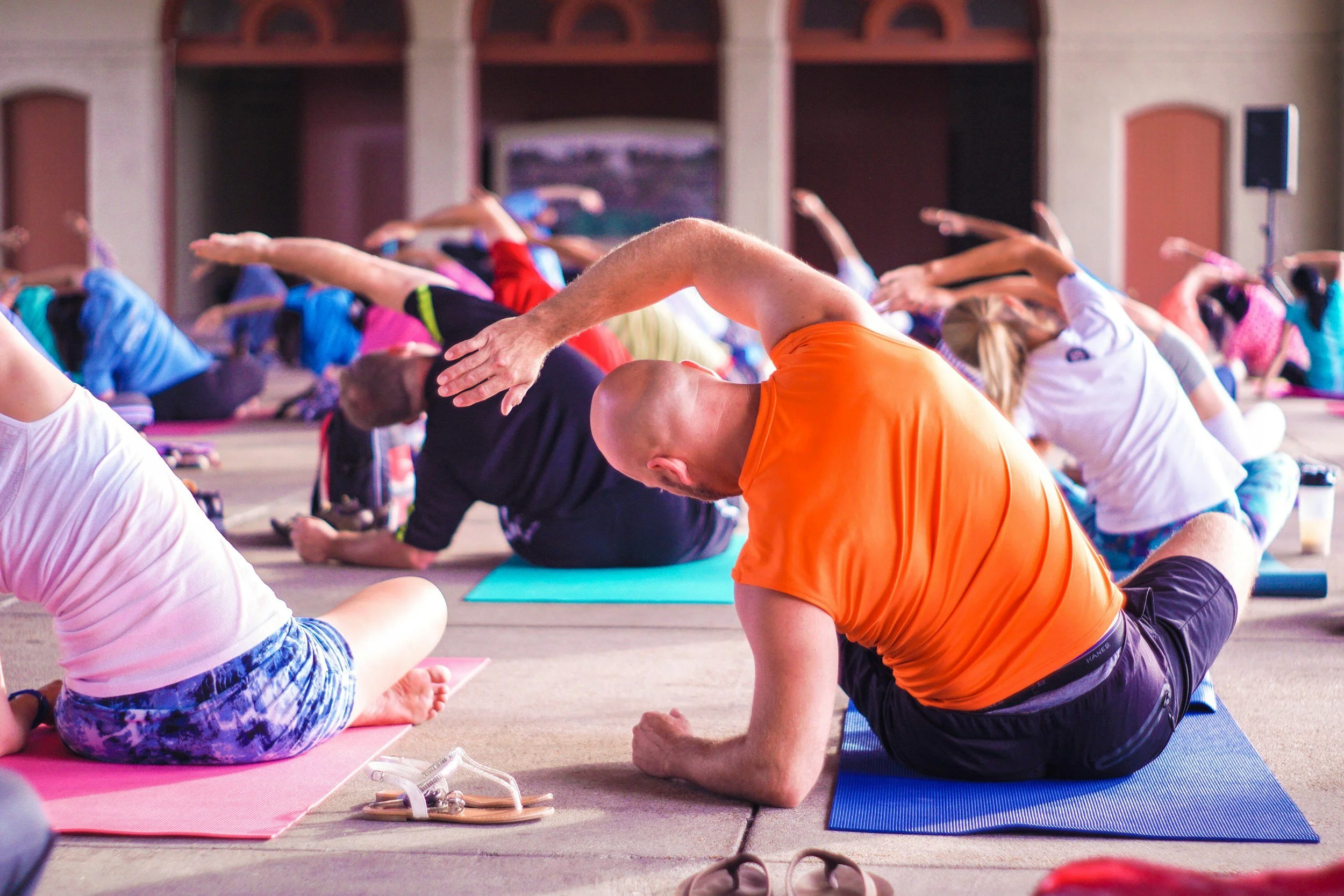
You can't pre-train for equipment you aren't using, If you spend two months doing bodyweight squats and push-ups in your living room, your body becomes very good at bodyweight squats and push-ups. It will not, however, adapt to using a leg press, a cable machine, or a chest press until you actually use them.
Many people stay home because they think gym equipment is too advanced. But, the opposite is often true. A standard floor push-up requires you to support roughly 65% to 70% of your total body weight across your wrists, shoulders, and core right out of the gate. A gym machine, by contrast, allows you to set the resistance to a gentle 5 kg or 10 kg while your back and joints are fully supported.
Baseline gym fitness isn't a ticket you need to purchase at home before you arrive, it’s what happens when you use the tools available, starting at whatever level feels manageable.
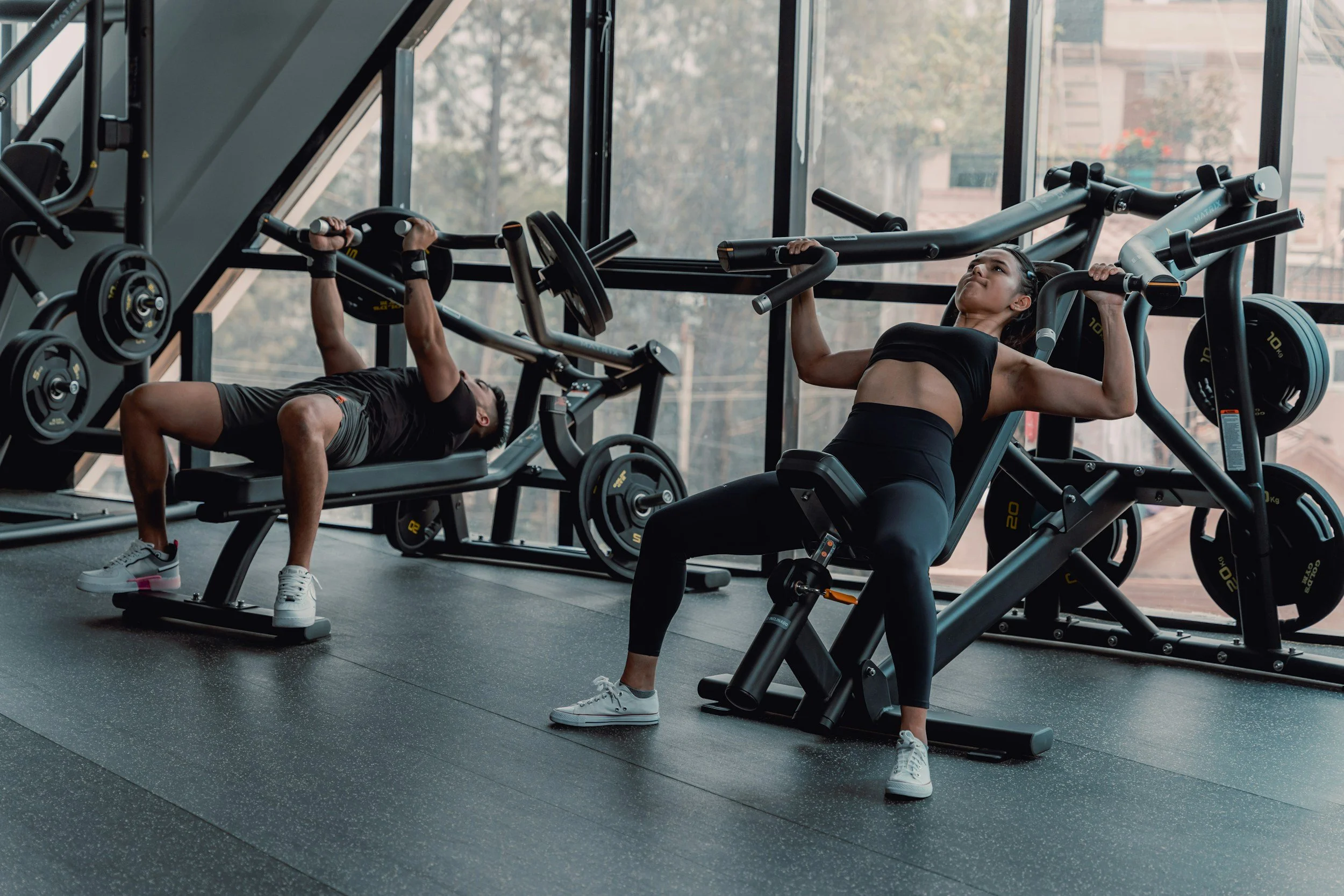
Why does stepping onto the floor can feel like a massive mental hurdle. This is almost entirely psychological. It is very easy to imagine walking into a fitness centre and feeling like a spotlight has dropped on you, with everyone scrutinising your outfit, your form, or the weights you choose.
In social psychology, this phenomenon is documented as the spotlight effect, The research demonstrates that human beings consistently and dramatically overestimate how much external observers notice their appearance and behaviour in public settings.
When we look past that psychological bias, the functional reality of the gym floor is very different from what our anxiety predicts.
People on a gym floor are preoccupied with their own immediate tasks—timing rest intervals, adjusting seat heights, tracking their workouts, or managing their own energy. Their attention is directed inward toward their own session.
A gym floor is a practical workspace, not a performance stage. The machinery and weights exist as scalable tools for individual use, designed to accommodate any starting point.
Every regular gym user was once unfamiliar with the floor, the equipment, and the layout. Navigating a learning curve is the standard, universal way everyone begins.
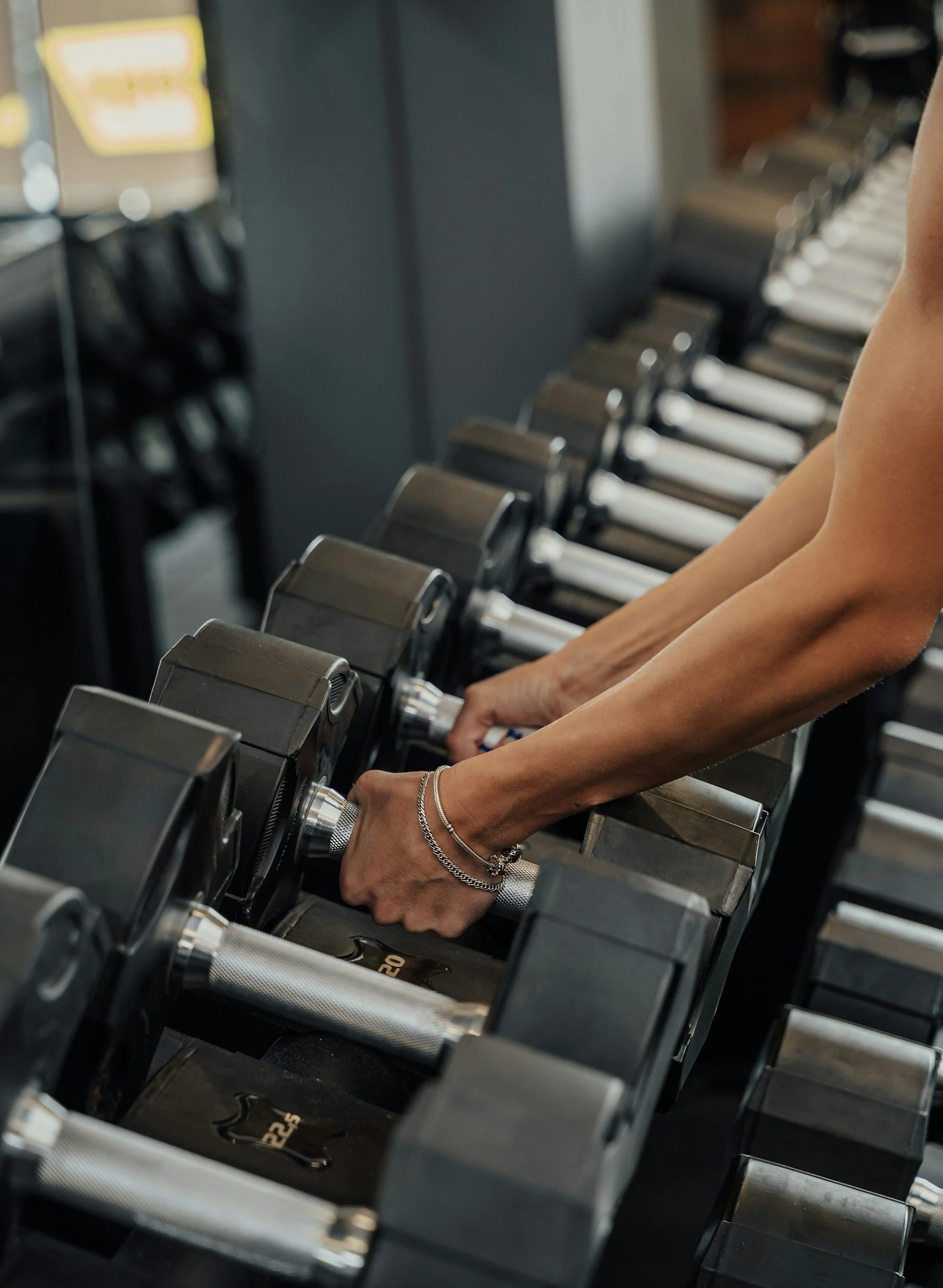
How to Step In Without the Pressure
Once you recognise that "getting fit first" is just a mental hesitation, you don't need to force yourself into a high-pressure scenario to overcome it. You can structure your early visits so they feel calm, manageable, and entirely under your control.
You do not need to sign a 12-month contract to try a space. Look for facilities offering single-day passes or quiet off-peak hours (typically mid-morning or mid-afternoon). Treating a visit as a low-stakes exploration takes away the pressure to "perform".
Head straight to a stationary bike or a stretching mat in a quiet corner when you walk in. Putting in noise-cancelling headphones and taking 10 minutes to observe the room gives your nervous system time to settle before you move onto any equipment.
Eliminate indecision by picking three basic exercises before you leave home (for example: a 10-minute warm-up pedal, 3 sets on a seated leg press, and 3 sets on a seated chest press). Once you complete those three tasks, look to see if there’s something else you would like to try.
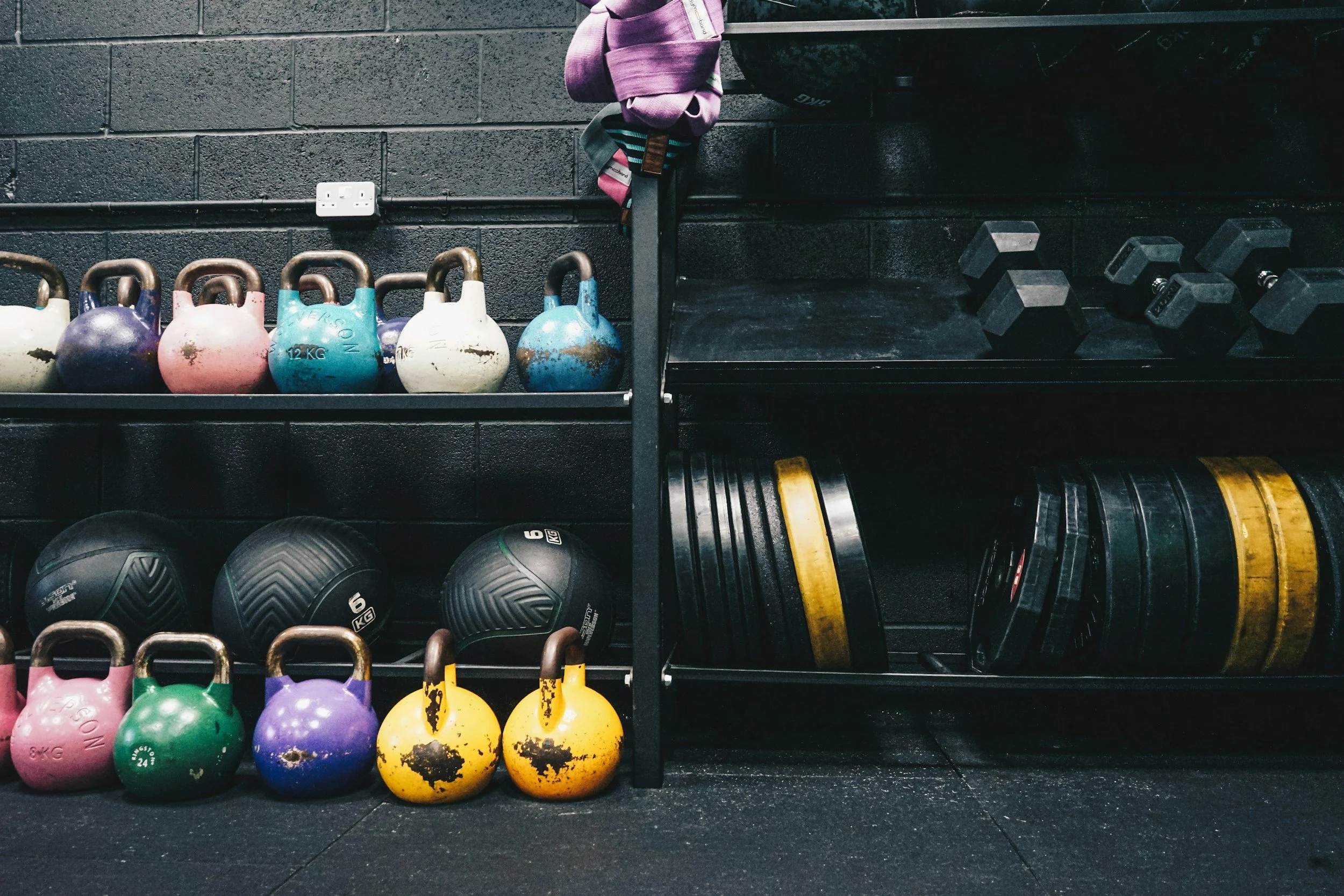
You Don't Need to Qualify to Take Up Space
A gym is not an exclusive club reserved for people who are already fit, nor is it a performance stage where you need to demonstrate existing athleticism. It is simply a practical public workshop full of adjustable tools designed to help human frames stay strong, mobile, and capable for real life.
You do not need to earn your right to use those tools by practising at home first. You do not need to look a certain way, wear specific clothes, or move heavy weights. Your presence is entirely valid the second you step through the door.
Ditch the idea that you need to "get fit first." Take up space, move at your own pace, and let capability build right where it belongs.
References
Gilovich, T., Medvec, V. H., & Savitsky, K. (2000). The spotlight effect in social judgment: An egocentric bias in estimates of the salience of one's own actions and appearance. Journal of Personality and Social Psychology, 78(2), 211–222.
Henry, F. M. (1958). Specificity vs. generality in learning motor skills. Proceedings of the College Physical Education Association, 61, 126–128.
Kraemer, W. J., & Ratamess, N. A. (2004). Fundamentals of resistance training: progression and exercise prescription. Medicine & Science in Sports & Exercise, 36(4), 674–688.
Disclaimer: This article is for educational and informational purposes only and does not constitute medical advice. Before starting any new exercise programme, particularly if you are returning to activity after a period of illness, injury, or inactivity, please consult your GP or a qualified healthcare professional.