
The Textbook Form Myth
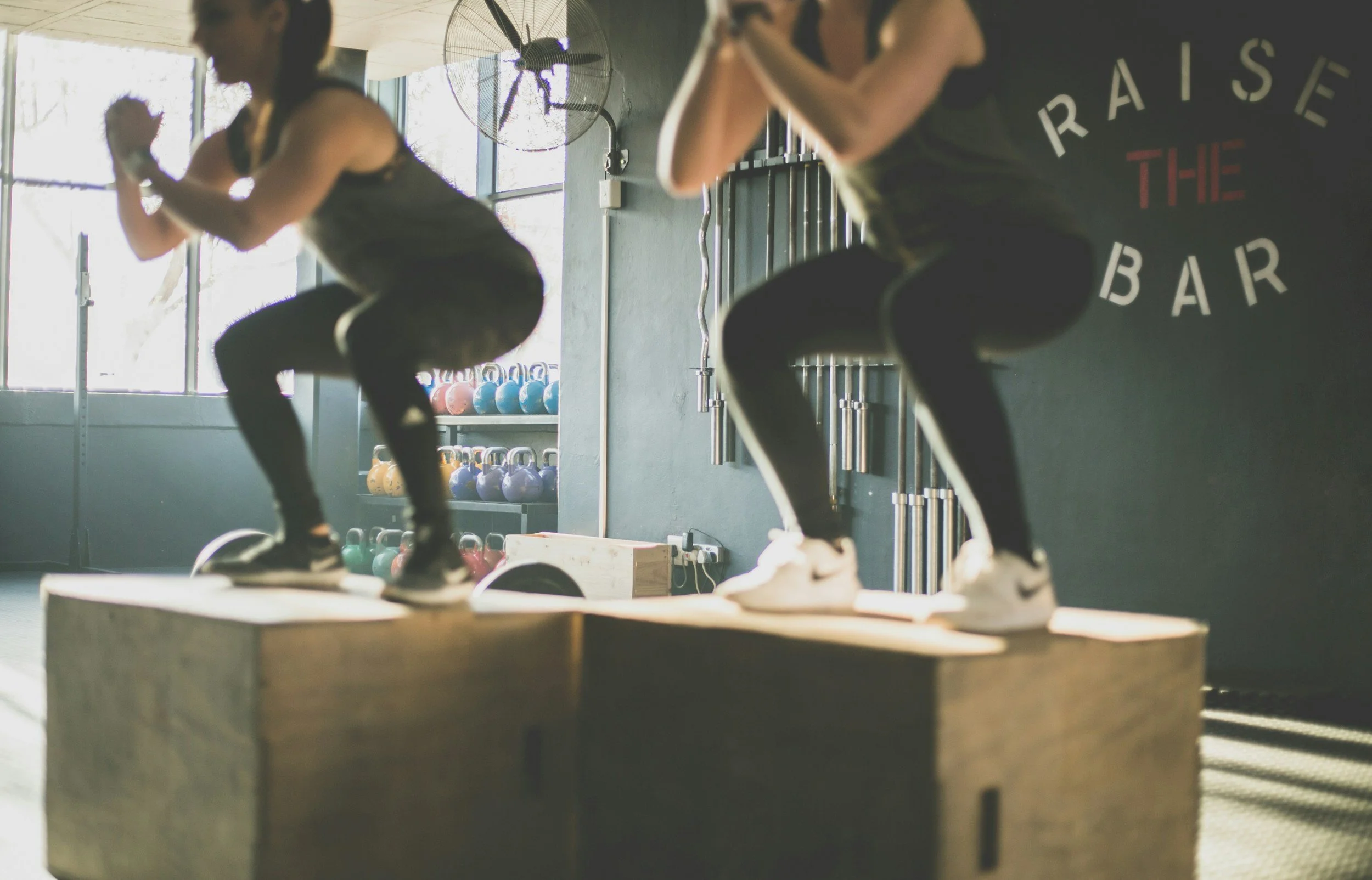
We’ve all seen it happen in the gym or while scrolling through social media. Someone steps up to a barbell and executes a deep squat with a completely upright torso, their thighs effortlessly touching their calves. It looks clean, effortless, and perfect.
Then, you step up to the bar, set your feet in the exact same spot, and try to lower down, only to feel a sharp pinch in your hips, a pull in your lower back, or a sudden, awkward loss of balance.
If you’ve ever tried copying someone else’s exercise technique, only for the movement to feel clunky, awkward, or unnatural. Your body isn't fighting you, and you aren't doing anything wrong. You simply have a skeletal frame that moves differently.
The fitness industry loves to peddle the idea that there is one universal, textbook way to perform every movement. But biologically speaking, forcing your frame into someone else’s lifting blueprint isn't just frustrating, it’s could lead to joint pain and stalled progress.
Before we go any further, tailoring an exercise to fit how your body moves is not a free pass for sloppy or reckless lifting. There is a huge difference between adapting an exercise to your bones and lifting with poor form. "Poor form" happens when you lose structural control, such as aggressively rounding your lower back under a heavy load, letting your knees collapse inward uncontrollably, or using jerking momentum to throw around a weight that is too heavy. Personalised form keeps your movement smooth, your spine supported, and your muscles under total control, it changes the angles to match your anatomy. Poor form strips away control and places your ligaments, discs, and joints at genuine risk of acute injury. Safety always comes from stability and control, no matter what your unique setup looks like.
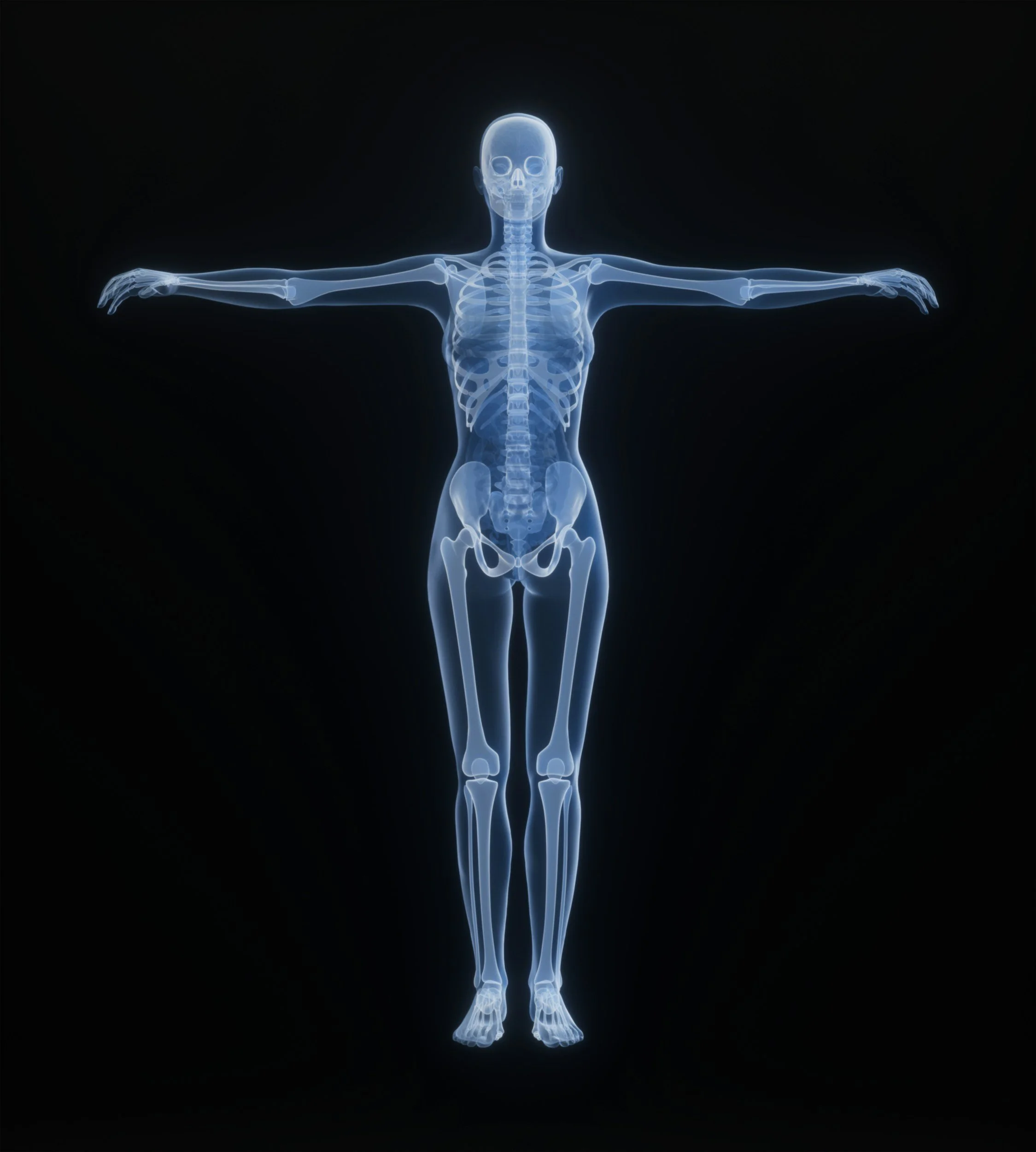
You can’t see what a person’s skeleton looks like from the outside, but their internal architecture plays the single biggest role in how their movement looks. A few key anatomical variables completely change how an exercise feels.
The Femur-to-Torso Ratio
Your femur (thigh bone) is the longest bone in your body, and its length relative to your torso determines your centre of gravity during a squat.
Long Femurs, Short Torso. If you have relatively long thigh bones and a short torso, your hips have to travel much further backward to descend into a squat. To keep the barbell centered over your feet, your upper body has to lean forward. For you, a "good" squat will naturally involve a noticeable forward torso angle.
Short Femurs, Long Torso. If you have short thigh bones and a long torso, you can sit straight down while remaining almost completely upright.
If a long-femured person tries to force themselves to stay as upright as a short-femured person, they will literally fall over backward or place an enormous, unnecessary strain on their lower back.
Hip Socket Depth and Angle
The hip joint is a ball-and-socket structure, but the way your socket (the acetabulum) is shaped and angled varies dramatically from person to person.
Some people are born with deep hip sockets that provide great joint stability, but this means bone hits bone much sooner when they bend at the hips. Others have shallow sockets, giving them massive ranges of motion effortlessly.
If your sockets face slightly forward, a narrower stance with toes pointed straight will feel comfortable. If your sockets face slightly outward, you will naturally need a wider stance with your toes turned out to squat deeply without joint pinching.
Arm Length
In exercises like deadlifts or bench presses, upper limb length changes everything. Someone with long arms relative to their height doesn't have to bend as far down to reach a barbell on the floor, making conventional deadlifts feel intuitive and comfortable. Someone with shorter arms will have to bend their knees and hips significantly more, making a sumo deadlift or elevated trap-bar deadlift a far better, more comfortable choice for their mechanics.
When you treat exercise form as a rigid, copy-and-paste visual template, you run into two major problems. The goal of lifting weights is to place healthy, productive tension on your muscles. When you force your joints into angles that clash with your bone structure, you trade muscle engagement for joint stress. Instead of your muscles doing the work, you end up jamming bone against cartilage or straining joint capsules. Judging your strength or mobility against someone with a totally different mechanical advantage is a losing game. A friend who squats effortlessly deep might just have shallow hip sockets and short femurs.
How to Find Your Optimal Form
Instead of thinking "Does my lift look exactly like theirs?", start asking, "Is this movement stable, comfortable, and targeting the muscles I want it to?"
Here is how to tailor any exercise to fit your individual frame.
1. Distinguish Between "Pinch" and "Work"
Learn to listen to the feedback your body gives you during a lift.
Sharp, structural pinching (usually at the front of the hip or the top of the shoulder) means you have hit a mechanical boundary. Continuing to push into that boundary will not improve your mobility, it will just irritate the joint. Adjust your angle or stance immediately.
Deep muscle fatigue or burning in the target muscles (like your glutes, quads, or back) is the signal that you are working productively.
2. Play with Your Stance and Setup
Don't be afraid to experiment with small variables to find your anatomical "sweet spot".
In the Squat, try widening your feet, turning your toes out slightly, or placing small plates under your heels to reduce the demand on ankle flex.
In the Press, experiment with a slightly wider or narrower grip, or adjust the angle of an incline bench to find a path that feels smooth for your shoulders.
In the Hinge, if pulling a barbell off the floor causes your lower back to round, elevate the weight onto small blocks or switch to a trap bar. You get all the strength and muscle-building benefits without forcing your spine into an awkward position.
3. Intent Over Aesthetic
The goal of an exercise is to challenge your physiology safely. As long as your spine remains stable under load, your movement is controlled, and you aren't experiencing sharp joint pain, your form is the correct form for your body.
Work With Your Skeleton, Not Against It
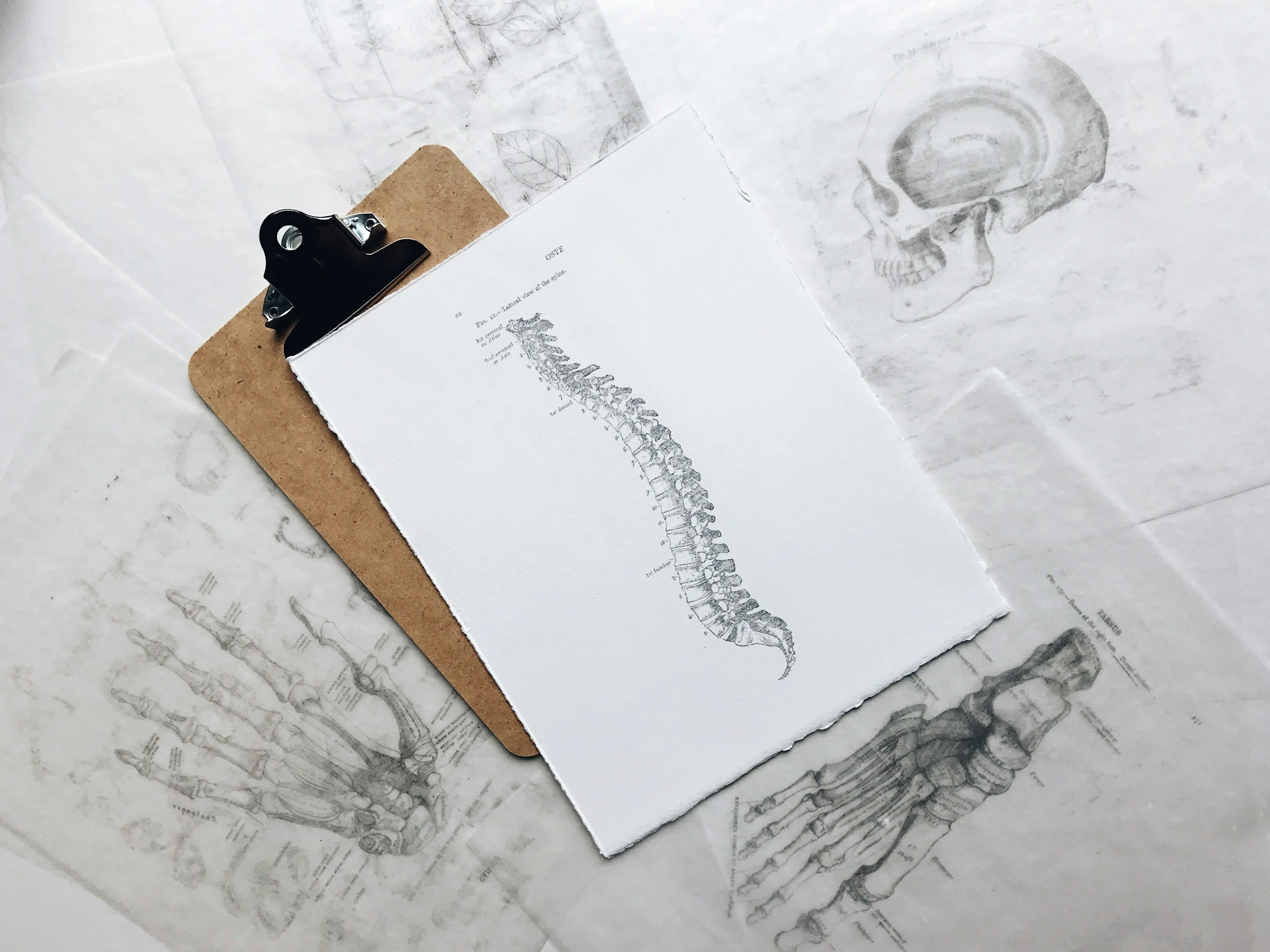
Your bone structure is uniquely yours, and your exercise technique should reflect that. By learning to build exercises around your specific biomechanics, lifting weights stops feeling like an awkward struggle and starts feeling like what it should be, a powerful, satisfying way to build long-term strength and capability.
Disclaimer. I love sharing the science behind how our bodies work, but please remember that this post is for educational purposes only. My goal is to empower you with general nutritional and fitness guidance to support your long-term health. This isn't a substitute for professional medical advice, diagnosis, or treatment. Every "body" is unique, so please check in with your doctor before starting a new nutritional or training programme to ensure it’s the right fit for your individual needs.
References
Journal of Strength and Conditioning Research. How Hip Anatomy Affects Squat Mechanics and Stance Width Adjustments. JSCR, 25(10), 2710-2719.
Sports Medicine. Biomechanical analysis of the squat exercise and the impact of anthropometric variables. Sports Medicine, 44(8), 1123-1135.
Research in Sports Medicine. The impact of limb-length ratios on joint moments and performance in multi-joint resistance training. Research in Sports Medicine, 28(3), 341-356.