
Why You Should Rebel Against a World Designed for Ease.
Have you ever felt like going to the gym or a workout at home is a strange, elective chore that you have to force yourself to do?
For the vast majority of human history, exercise didn't exist as a concept because movement was a requirement for survival. We are among the first generations to live in an environment that is sedentary by default. We don't have to hunt, gather, or even stand up to fulfil our basic needs. In the UK today, normal is a world designed to keep you sitting for 10 hours a day, commuting in a metal box, and outsourcing almost every ounce of physical effort to an app.

In this environment, your muscles don't just rest they begin to fade. Picking up a dumbbell isn't just a workout, it's a conscious decision to give your body the physical signals it no longer gets from daily life.
Our biology is designed for a world of scarcity and effort. Evolutionary biologists point out that our ancestors were energetically thrifty. If they weren’t actively searching for food or avoiding a predator, they rested to save calories for the next challenge [1].
Today, that survival instinct is still active. When you finish a high-stress workday and your brain tells you to stay on the sofa, it thinks it's helping you survive. It doesn't realise that in the modern world, the threat isn't a lack of calories, but a lack of movement [2]. You have a very efficient brain that’s trying to save energy in a world that no longer requires you to spend it.

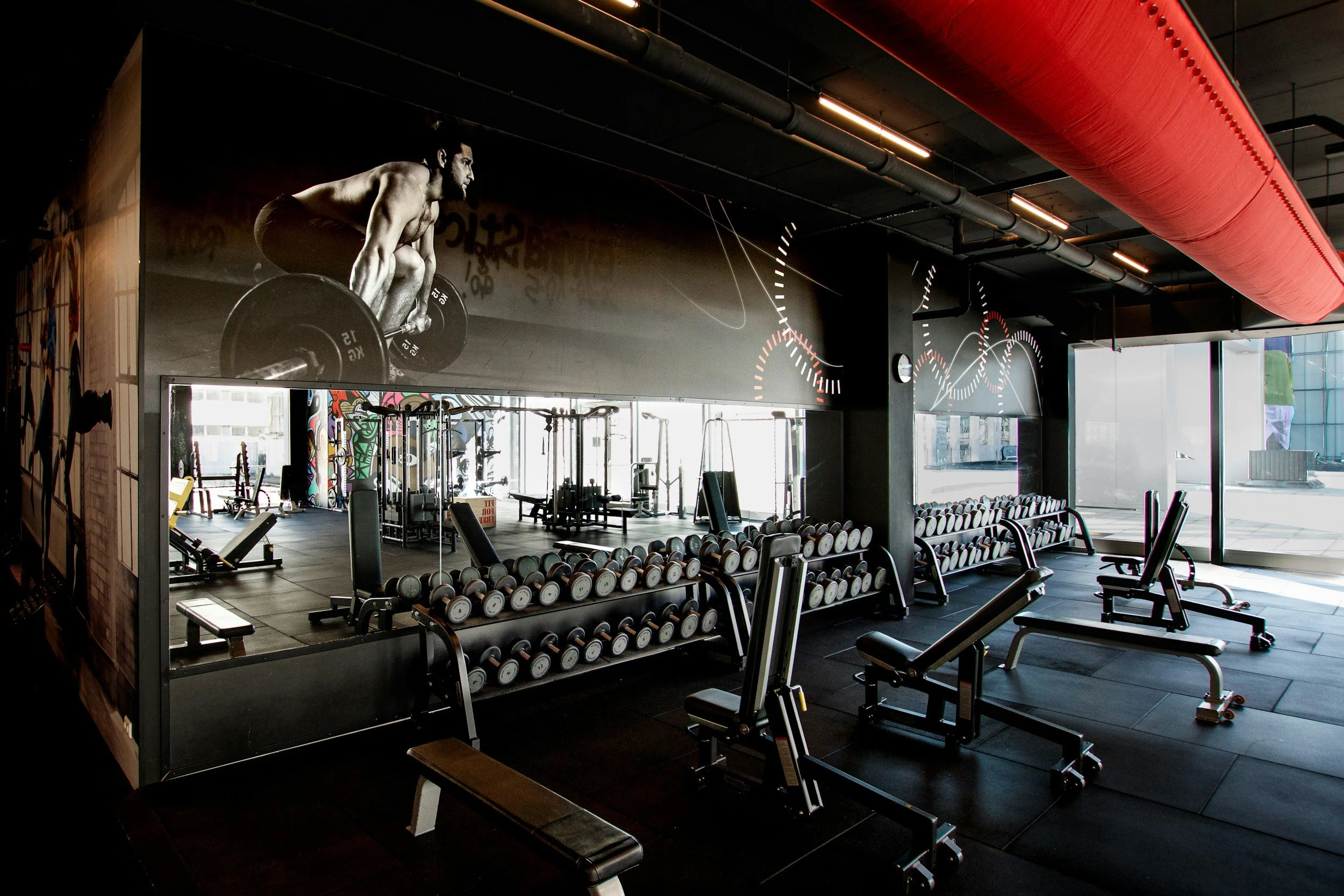
For many women over 40, the gym environment can feel like a mismatch for their life stage. When you walk into a space that doesn't feel like it was built for you, it’s natural to feel a sense of social friction or misalignment. This is one of the reasons that why so many fall into the Ghost Membership trap. The UK 'Gym Ghost' Economy, Roughly 11.5 million people in the UK hold gym memberships, yet data suggests that 18% are ghost members who pay their £40–£70 every month but never show up [3]. The Financial Impact of this is in 2025, Brits spent an estimated £503 million for the privilege of not exercising [4].
We often keep these memberships because we value the idea of health, but a membership card doesn't build muscle, showing up does. When you stop being a 'ghost' and start taking up space in the weight room, you are opting out of a system that profits from your absence.
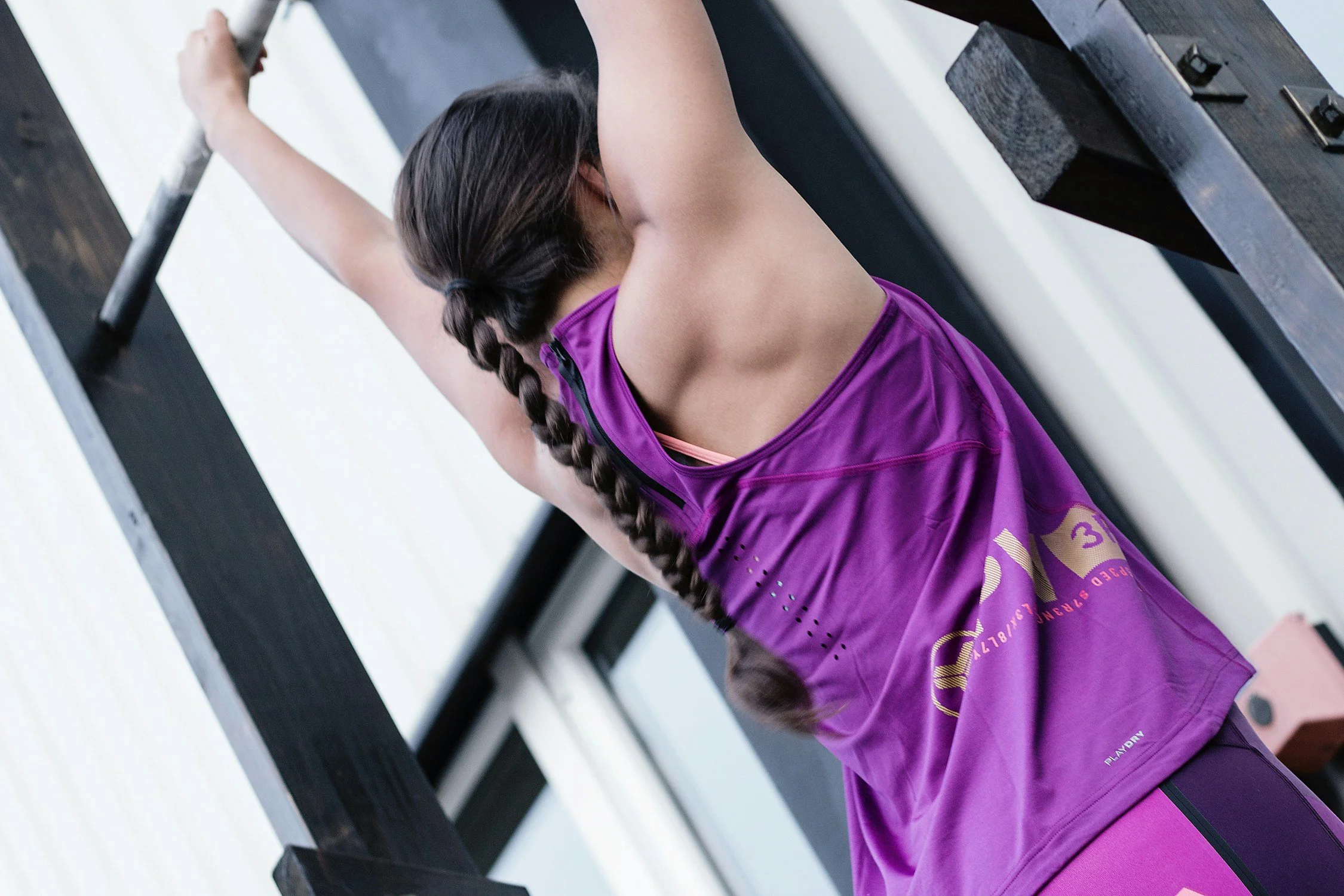
To see how much our daily movement has changed, we can look at Relative Strength, the ability to move our own body weight. Take a movement like a pull-up or a full-body push-up. These were once basic functional requirements for human life.
Today, it’s estimated that less than 2% of untrained women over 40 can perform a single, pull up [5]. This isn't because women are "weak" it is a sign of a society that requires zero pulling, climbing, or heavy carrying. We are now a nation of button pushers and sitters, spending up to 10 hours a day in chairs [2]. Starting the journey toward moving your own body weight is a refusal to accept the shrunken version of midlife that society predicts for you.
Instead of viewing the gym as a place reserved for "fitness people," it’s better to think of it as a place for personal development. You don't commit to learning new skills or advancing your career just to remain stationary, you do it to expand your influence and your capacity to handle challenges. Strength training is the same. We lift weights to maintain our strength and metabolic health in a world full of chairs and convenience [6]. Lifting heavy weights sends message to your body "I still need this muscle. Keep it strong." You aren't necessarily training to become a bodybuilder, you’re training to ensure your bones are healthy, and to maintain a high metabolic rate as you age.
If you’re over 40, you grew up in a culture that told women their only goal in a gym was to shrink. We were sold cardio and "light" options with the goal of taking up as little space as possible. As we navigate perimenopause and beyond, the most radical thing you can do is decide to build muscle.
Building muscle is staking a claim on your future health. Building strength is creating "metabolic insurance" that keeps you independent and vibrant. Lifting heavy weights isn't about gaining muscle, it’s about Functional Resistance. It’s about being a woman who is strong and can move with confidence.
If you find yourself hesitant to start a workout, remember that you are fighting against an environment designed for ease. Every time you lift something heavy, you are performing a biological correction.
You don’t need to be in that "top 2%" to be successful. You just need to refuse to be a gym ghost. Every time you challenge your muscles, you are choosing a more capable version of your future self. Sarcopenia might be the default path in our modern world, but you have the power to choose a different one.
If you’re ready to move away from unused memberships and start a programme that actually respects your biology and your schedule, I’m here to help. Let’s build a routine that feels like a natural part of your life.
Enquire here to start your wellness journey
References
1. Lieberman, D. E. (2021). Exercised: Why Something We Never Evolved to Do Is Healthy and Rewarding. Pantheon.
2. Booth, F. W., et al. (2012). Lack of exercise is a major cause of chronic diseases. Comprehensive Physiology.
3. ukactive (2026). UK Fitness Market Report: Membership Retention and Attrition Trends.
4. SWR/PA Life (2025). The Cost of Inactivity: Brits waste £503 million on unused gym memberships.
5. Marathon Handbook (2026). Strength Benchmarks: Pull-up Averages by Age and Gender.
6. Westcott, W. L. (2012). Resistance training is medicine: effects of strength training on health. Current Sports Medicine Reports.
Disclaimer. I love sharing the science behind how our bodies work, but please remember that this post is for educational purposes only. My goal is to empower you with general nutritional and fitness guidance to support your long-term health. This isn't a substitute for professional medical advice, diagnosis, or treatment. Every "body" is unique, so please check in with your doctor before starting a new nutritional or training programme to ensure it’s the right fit for your individual needs.