
Why Women Over 40 are Paying Even More "Pink Tax" on Their Health.
It seems like the price of feeling good seems to increase every time you hit a new decade, and it is. There is a multi-billion pound industry dedicated to convinced women over 40 that health is a product you can buy, rather than a state that you can build.
From rose-gold vitamins to "hormone-balancing" powders, the wellness industry has identified our demographic as its most profitable target. They are banking on the fact that we are ready to prioritise our health and they are charging us a premium for the privilege.
The newest frontier for the Pink Tax is the menopause market. Historically, this stage of life was ignored and now, it is being aggressively monetised. We are being flooded with specialist supplements that claim to manage everything from hot flushes to brain fog.
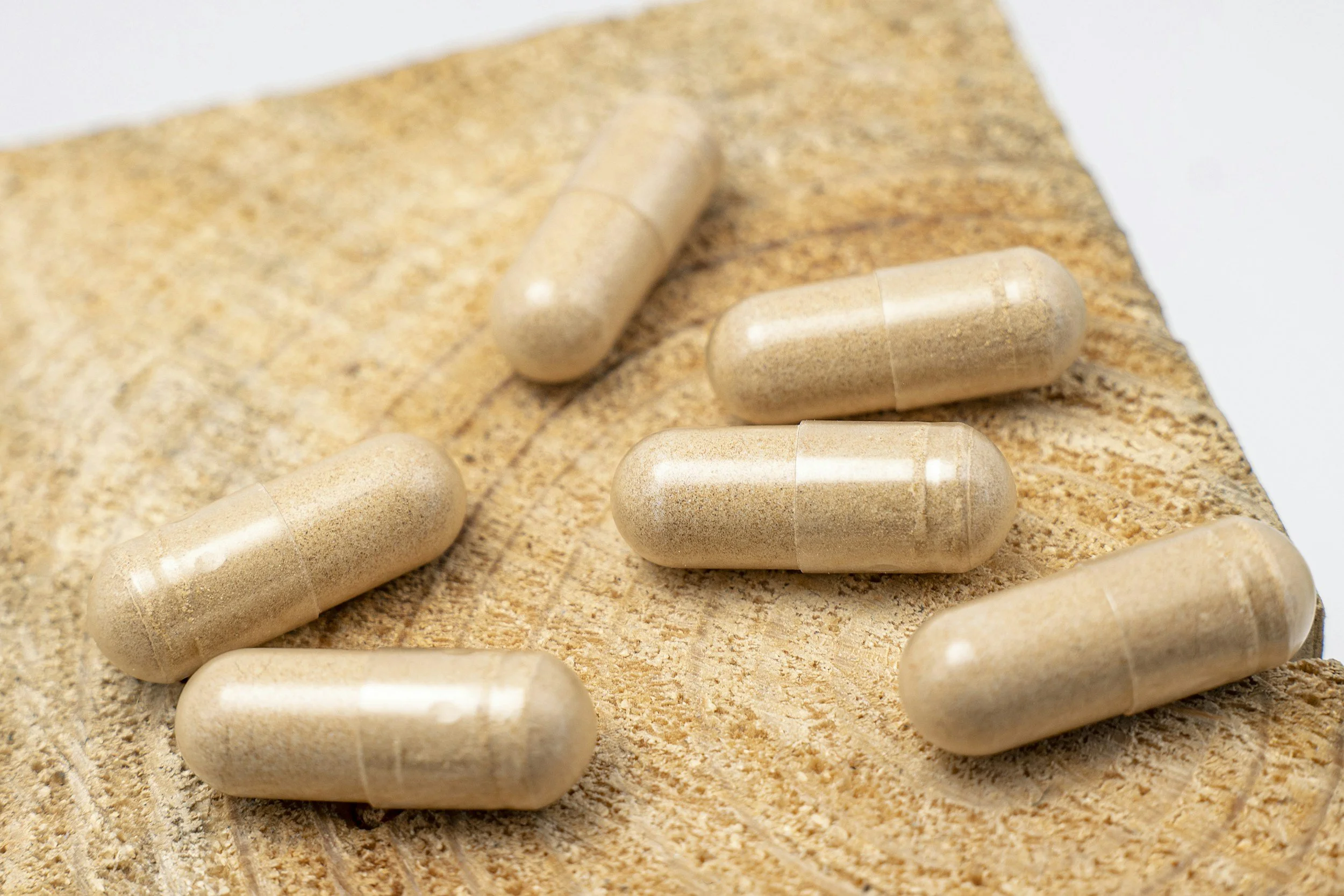
If you look closely at the ingredients of for example a £45 "Meno-Support" tub, you will often find basic magnesium, zinc, and a few B vitamins, but you can find high-quality, generic versions of these for a fraction of the cost in any chemist. The industry is taking basic nutritional requirements, wrapping them in some age-defying branding, and tripling the price. You do not need a branded shake, you need a nutritional strategy that prioritises protein and fibre without the unnecessary markup.
There is a massive price disparity between men’s and women’s fitness equipment and apparel. Men are typically sold gear based on durability and function. Women, however, are sold sculpting leggings, waist-snatching bands, and pastel-coloured dumbbells.
This is more than just a fashion choice, it is a distraction. The industry wants you to believe that looking the part is a prerequisite for being fit. It isn't. Your bone density does not care what brand of leggings you are wearing, and your heart does not pump more efficiently because your weights match your trainers. This aesthetic tax creates a barrier to entry that suggests health is a luxury lifestyle rather than a physical necessity.
Walk down the "healthy" aisle of any supermarket and you will see this everywhere. Products marketed directly to women often featuring words like "skinny," "lean" or "guilt-free" are frequently smaller in portion size yet more expensive than the standard versions. They are charging you a premium to consume fewer nutrients. For a woman over 40, whose focus should be on building muscle and protecting bone health, this focus on less is physically counterproductive. You are literally paying more to be under-fuelled.
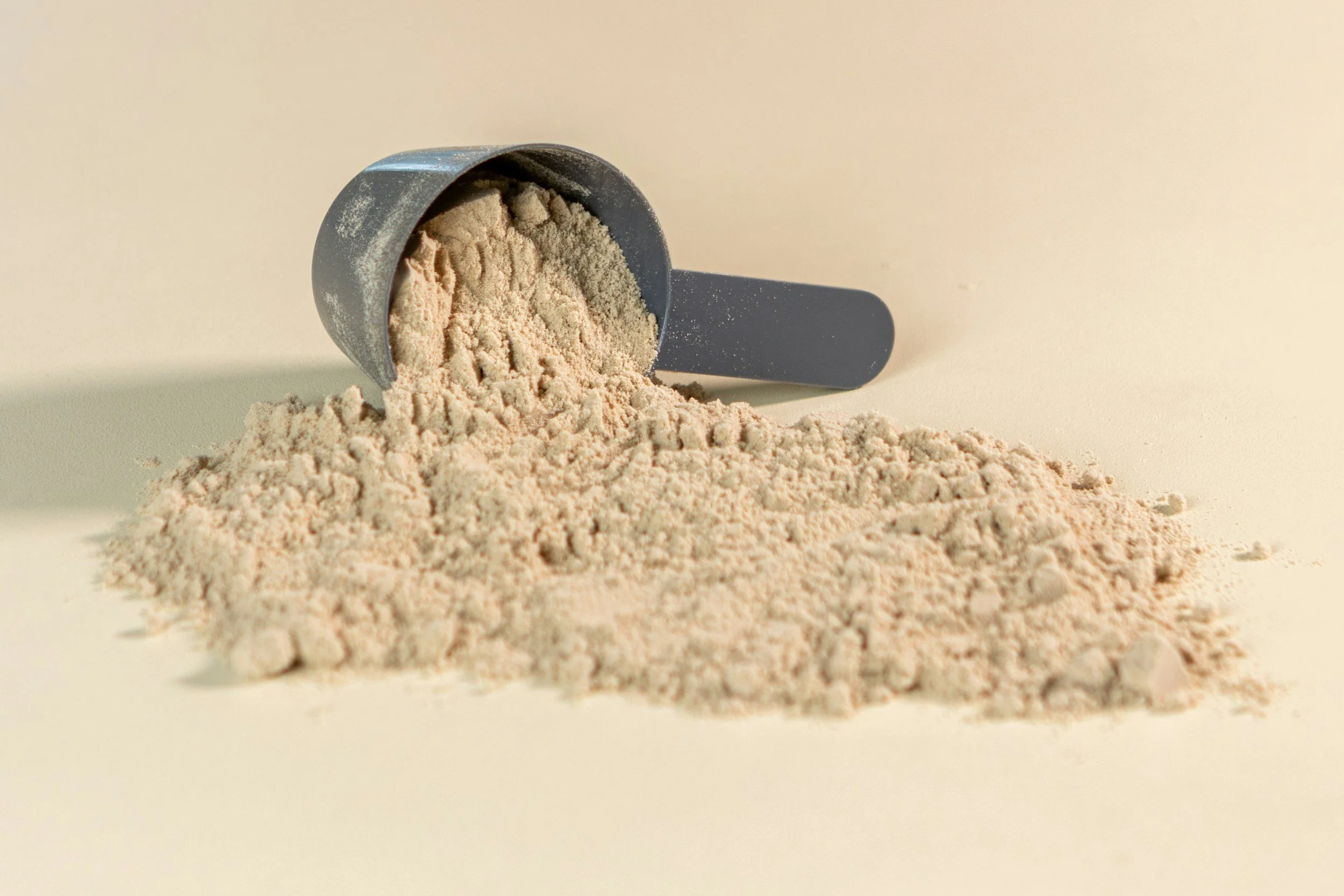
The wellness industry thrives on the quick fix subscription model. Whether it is collagen boosters, de-bloat teas, or metabolic optimisers, these products sell the feeling of taking action. However, many of these products have little to no clinical evidence to support their claims. They rely on health-washing, using scientific-sounding language, to mask a lack of results. The cost isn't just financial, it is the mental load of managing a cupboard full of expensive powders that don't actually help. It wants to keep you in a cycle of acquisition always buying the next miracle product. As a Personal Trainer, my role is to provide the filter.
Investing in professional coaching is the most cost-effective decision you can make for your health. Because expertise is what allows you to stop wasting money on the nonsense. When you have a professional, evidence-based plan, you eliminate the guesswork, You stop buying hormone-balancing supplements because you understand how to fuel your body with real food. You stop paying for "aesthetic" classes that don't build bone density and start focusing on the specific movements that provide a real return on your effort.
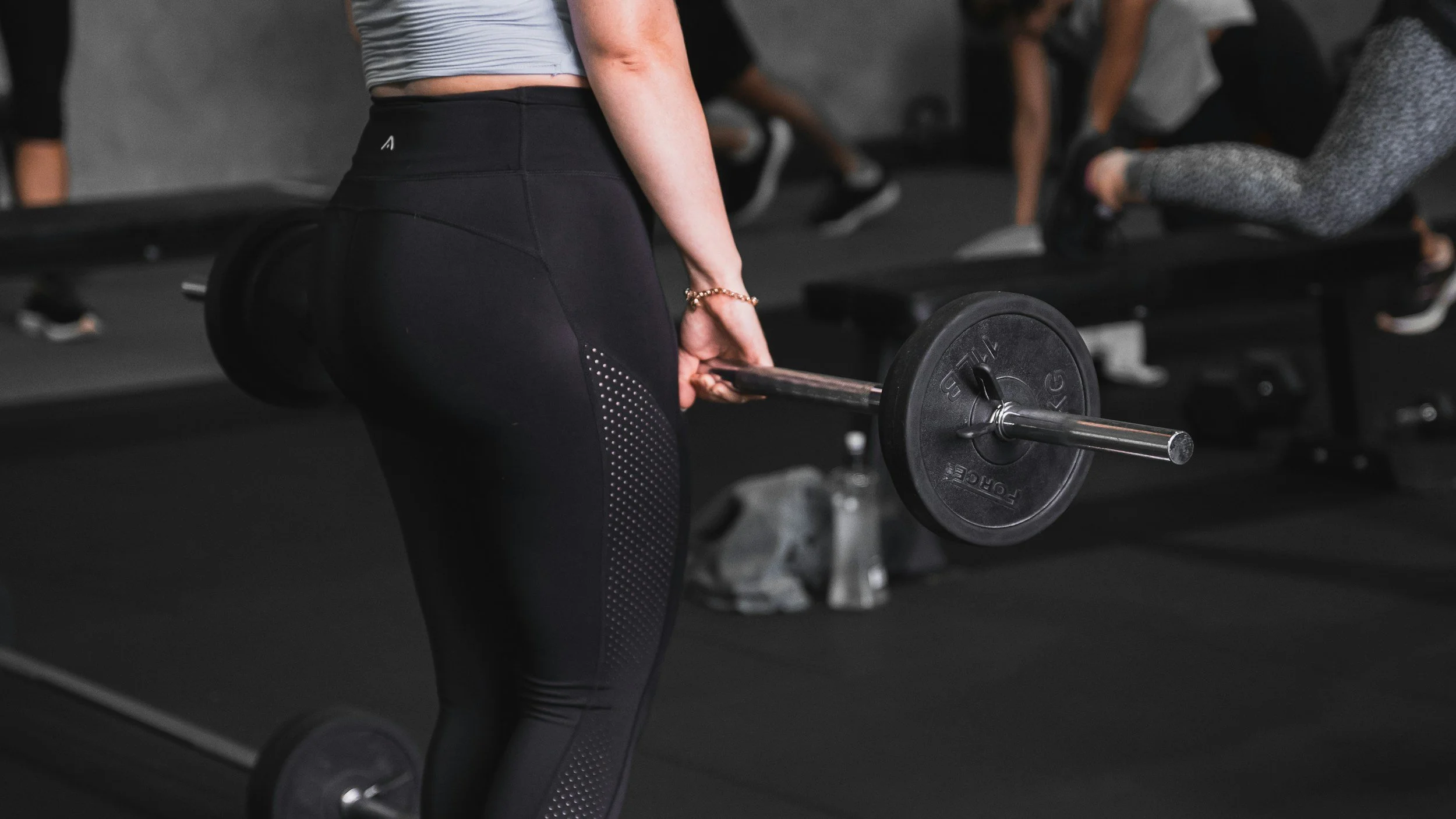
By building genuine strength and cardiovascular health now, you are reducing the long-term "tax" of physical decline and medical intervention.
True health is not found at the bottom of a rose-gold tub of supplements. It is built through a professional plan and consistent effort.
Click here to start building a body that feels amazing.
References
Lafferty, M. (2021). The Pink Tax: The Cost of Being a Female Consumer. Journal of Consumer Affairs.
Health Economics Review (2025). The Monetisation of Menopause: Market Trends and Consumer Impact.
Taran, A., et al. (2024). Efficacy vs. Marketing: A Meta-Analysis of "Women’s Specific" Wellness Supplements.
Disclaimer. I love sharing the science behind how our bodies work, but please remember that this post is for educational purposes only. My goal is to empower you with general nutritional and fitness guidance to support your long-term health. This isn't a substitute for professional medical advice, diagnosis, or treatment. Every "body" is unique, so please check in with your doctor before starting a new nutritional or training programme to ensure it’s the right fit for your individual needs.