
What is 'Toning'?
The concept of "toning" is confusing and it’s often linked to ineffective light weight, high-rep routines. What the media often portrays as "toning" is at best misleading, you’re shown quick-fix routines or programs promising fast definition with light weights and high repetitions. But the goals you might be seeking, like firmness, shape, and definition can’t be achieved through these low-effort routines, and the most persistent untruth is that using heavy weights will automatically make you "bulky."
The truth is, “Toning” is the result of improving your body composition, it's achieved by intentionally building and preserving strong, lean muscle mass in one focused phase, and then carefully reducing body fat in a separate phase to reveal the shape you worked so hard to create.

The most effective strategy for “toning up” is the one that drives real, visible change. It involves alternating between two focused periods building muscle, by using a calorie surplus and weight training, then revealing that muscle using a calorie deficit and also weight training. You may have heard these phases referred to as "bulking" and "cutting." But don't be intimidated by this it. These terms are just some names for the system that achieves a 'toned' physique.
Part 1 Muscle Building (The Signal)
The core of a truly 'toned' physique is muscle. To effectively build that muscle, you must send a clear message to your body that triggers it to adapt. Your body is remarkably efficient and it will only adapt when necessary.
Muscle growth (hypertrophy) occurs when you subject muscle fibres to a stress greater than they are accustomed to. This is the principle of Progressive Overload [1]. If you can easily complete 20 or 30 repetitions of an exercise, the weight isn't challenging enough to signal deep, structural change.
To build muscle, you must create significant mechanical tension. This tension happens internally when you are lifting challenging weights that force your muscle fibres to stretch and contract maximally, at a weight that makes the last few reps of a set challenging.
This intense mechanical signal triggers a complex internal process. It activates critical pathways, for example mTORC1, which acts as the master switch inside your muscle cells. This switch tells your body, "The demand is too high! We must initiate the repair and rebuilding process, resulting in muscle fibres that are both bigger and stronger."
Building muscle is the most effective tool for transforming your physique. It acts as a powerful system that plays a key role in managing energy and creating the physical resilience and the shape you want.
Muscle isn't just for movement, It requires more energy for your body to sustain it than fat, even when you're resting. By actively building muscle, you are investing in a higher Basal Metabolic Rate (BMR), which makes long-term fat management slightly easier [2].

The process of challenging your muscles with heavy weights doesn't just make them bigger; it increases the density and firmness of the tissue itself. This is what results in the resilient, shaped, and defined appearance that people often associate with being "toned." But remember that muscle growth, (hypertrophy), is a very gradual process that takes many months of consistent, focused effort and targeted nutrition.
You will experience noticeable strength gains first often within weeks because your nervous system is learning to recruit muscle fibres more efficiently. This means you'll start to feel stronger long before you ever see any significant change in muscle size.
The mechanical stress of lifting heavy weights also provides essential stimulation for your skeletal system. This encourages bone-building cells to increase Bone Mineral Density (BMD), which is vital for maintaining the structural integrity that supports your physique [4].
Part II: The Phased Strategy for Body Transformation (The Plan)
"Since building muscle requires an energy surplus (slightly more food) and losing fat requires a deficit (slightly less food), trying to achieve both simultaneously is often slow or even impossible for experienced individuals. However, if you're new to training, it is possible to achieve body recomposition relatively quickly in the beginning! For everyone else, the most effective strategy is to alternate goals using dedicated phases, known as Periodisation."
1. The "Building Strength" Phase (The Foundation)
This phase is all about getting significantly stronger and increasing your lean muscle mass.
The Goal is Growth (Anabolism): To achieve this, you need a Controlled Calorie Surplus, meaning you eat just slightly more food around 10-15% above what your body needs to maintain its current weight. This extra fuel is essential for powering your intense workouts and driving the internal muscle repair process (Muscle Protein Synthesis) [5].
During this phase you should emphasise a balanced diet rich in whole foods, prioritising a high protein intake. Protein is crucial for muscle repair, so aim for a generous daily amount ideally 1.6 to 2.2 grams per kilogram of your target body weight, this is to ensure that your body has all the nutrients it needs for new muscle tissue [6].

Focus your training on progressive overload by aiming for steady improvement over time. This means you must consistently increase the challenge, not necessarily by lifting heavier every single week, but by gradually increasing reps, sets, or the difficulty of the exercise. Use exercises that effectively challenge your body's largest muscle groups and keep your repetitions in a challenging range (6–12 reps).
Gaining muscle requires energy, and that usually means a small, temporary increase in body fat. This is completely normal, you are prioritising having enough fuel to build new muscle tissues efficiently. Don't worry about the scale's number too much during this phase. Instead, focus entirely on your increasing performance and strength in the gym, this is a much better measure of your success. By keeping your calorie surplus small in the 10-15% range, you’ll keep this body fat gain minimal and much easier to shed during the next phase.
2. The "Leaning Out" Phase (The Reveal)
This phase focuses entirely on reducing body fat to reveal the muscle you worked so hard to build in the first phase.
The goal is strategic fat loss, this is called Catabolism. To make fat loss happen, you must create a moderate calorie deficit, meaning you eat slightly less food typically 350–500 calories below what your body burns daily. This energy gap forces your body to tap into stored fat for fuel, all while protecting your muscle [5].
During this phase protein is your priority. Even increasing your daily protein intake, as it acts as an "amino acid shield," signalling your body to burn fat instead of muscle for energy [7]. Focus on getting a high amount of protein with every meal.
Maintaining strength is the primary focus in this phase. Continue your strength training program, but recognise that the goal is no longer progressive overload. You may need to slightly reduce your training volume (fewer sets or reps) to manage fatigue (from fewer calories being consumed) and prioritise your recovery.
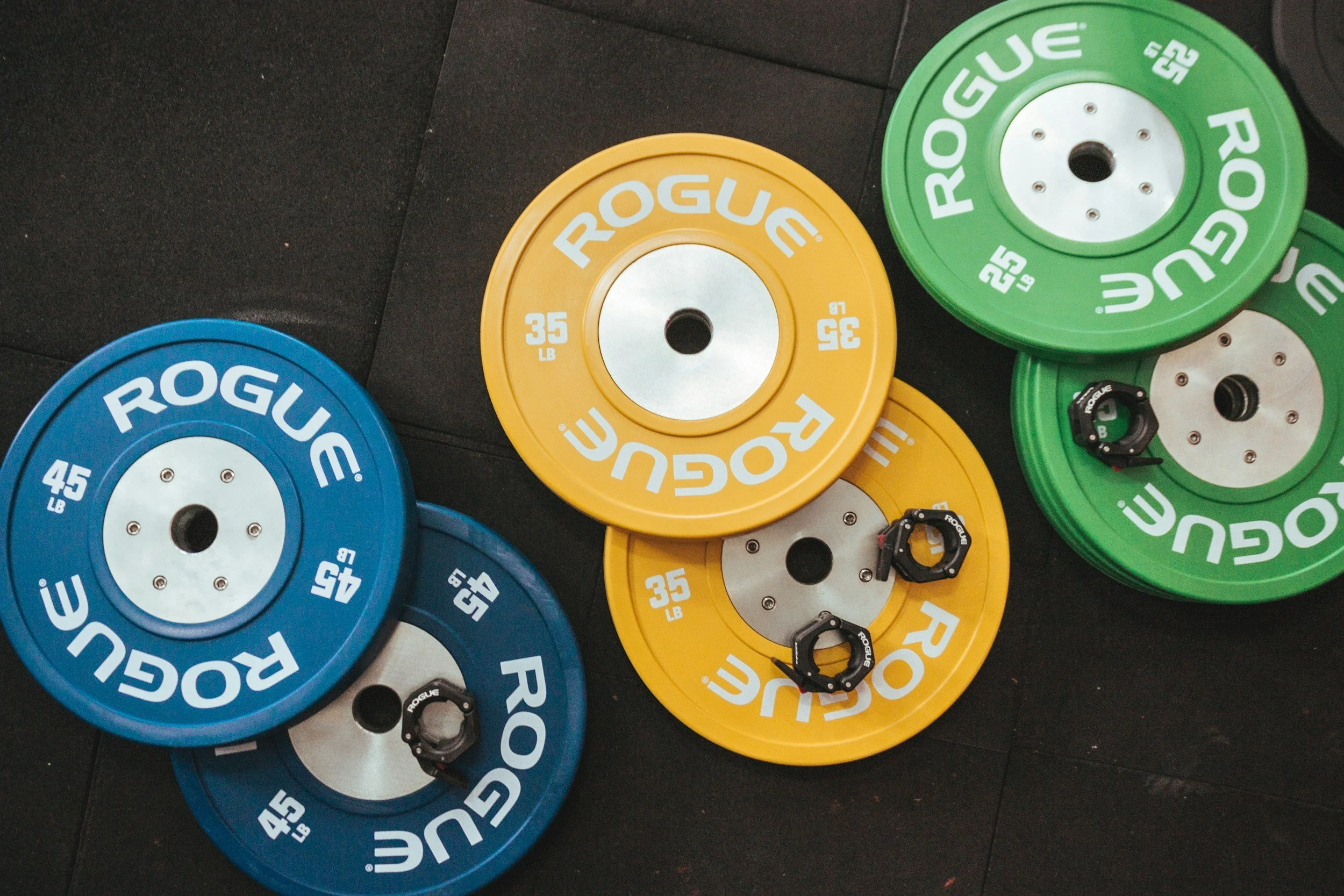
You are intentionally moving into an energy deficit, so your body's priority shifts from building muscle to conserving energy. Because of this, your strength gains could slow down or even stop. This is completely normal and expected, and it does not mean your hard work is failing! Prioritise recovery, high-quality sleep, and managing stress to keep your energy high. The key to this phase is patience, consistency, and trusting the process while focusing on fat loss to successfully reveal the muscle that you worked hard to build in the previous phase.
Where you start is up to you, but I recommend you begin with Building Strength Phase (muscle gain). Starting with a focus on getting stronger allows you to build a firm foundation of muscle. This is often the best choice because strength gains happen quickly at the beginning of your journey and are incredibly motivating, you'll feel successful long before any size changes occur! By doing it this way you will ultimately look much more defined when you move into the fat loss phase. Once you feel you've established a solid base (which usually takes 4–8 months of focused effort), you can confidently move to the fat loss phase.
Determining the length of each phase is highly personal, but a good guideline is to spend 4–8 months in the Building Strength Phase and 8–16 weeks (2–4 months) in the leaning out phase. The building phase often takes longer because true muscle growth is slow, and you want to maximize your lean mass foundation. The fat loss phase should only last as long as it takes to reach your goal, and should always be done at a moderate pace to protect the muscle you built.
This journey is about celebrating the amazing things that your body can do. By adopting a focused, phased approach, you stop chasing two goals at once and start making clear, measurable, and sustainable progress toward a strong, toned, and healthy physique that serves you for life.
I hope this post has helped you shift your thinking from chasing quick fixes to embracing a proven strategy. If you're ready to put this two-phase plan into action and want guidance on structuring your training or fine tuning your nutrition for each stage, I’m here to help you start your journey.
Citations
Fisher, J. P. et al. (2020). The effects of progressive overload on muscle hypertrophy: A systematic review and meta-analysis. Journal of Functional Morphology and Kinesiology, 5(4),83.
Wolfe, R. R. (2020). The essentiality of strength training in the treatment of sarcopenia. JAMA Internal Medicine, 180(1),143−144.
Hunter, G. R. et al. (2023). Mechanisms for the Sarcopenia of Aging and Resistance Training as a Countermeasure. Journal of Geriatric Physical Therapy, 46(4),213−221.
Babatunde, O. A. et al. (2021). The effects of resistance training on bone mineral density in women aged 40 years and over: a systematic review and meta-analysis. Osteoporosis International, 32(2),221−247.
Iraki, J. et al. (2019). Nutrition Recommendations for Bodybuilders in the Off-Season: A Narrative Review. Sports (Basel), 7(10),154.
Stokes, T. et al. (2018). Recent perspectives regarding the role of dietary protein for the promotion of muscle hypertrophy with resistance exercise. Nutrients, 10(2),180.
Aragon, A. A. et al. (2017). International society of sports nutrition position stand: diets and body composition. Journal of the International Society of Sports Nutrition, 14(1),16. (Note: While 2017, this is the definitive position on protein in a deficit.)
I love sharing the science behind how our bodies work, but please remember that this post is for educational purposes only. My goal is to empower you with general nutritional and fitness guidance to support your long-term health. This isn't a substitute for professional medical advice, diagnosis, or treatment. Every "body" is unique, so please check in with your doctor before starting a new nutritional or training programme to ensure it’s the right fit for your individual needs.